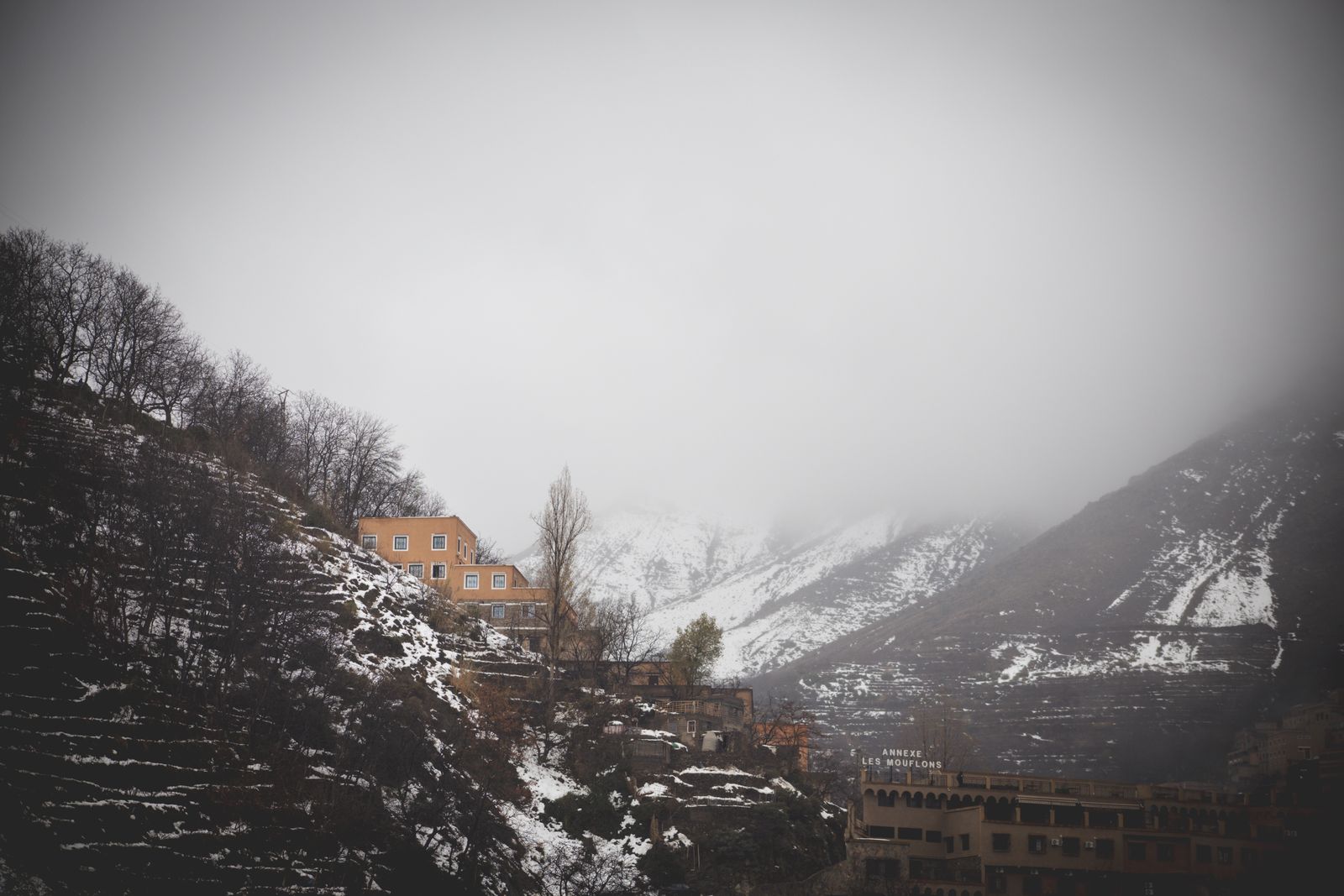
People in the High Atlas call the Aït Bouguemez the happy valley, and after eight days walking through it we understood. It is a long, green valley at around 1,800 metres, all walnut trees and terraced barley, with a string of villages built from the same red earth as the mountains.
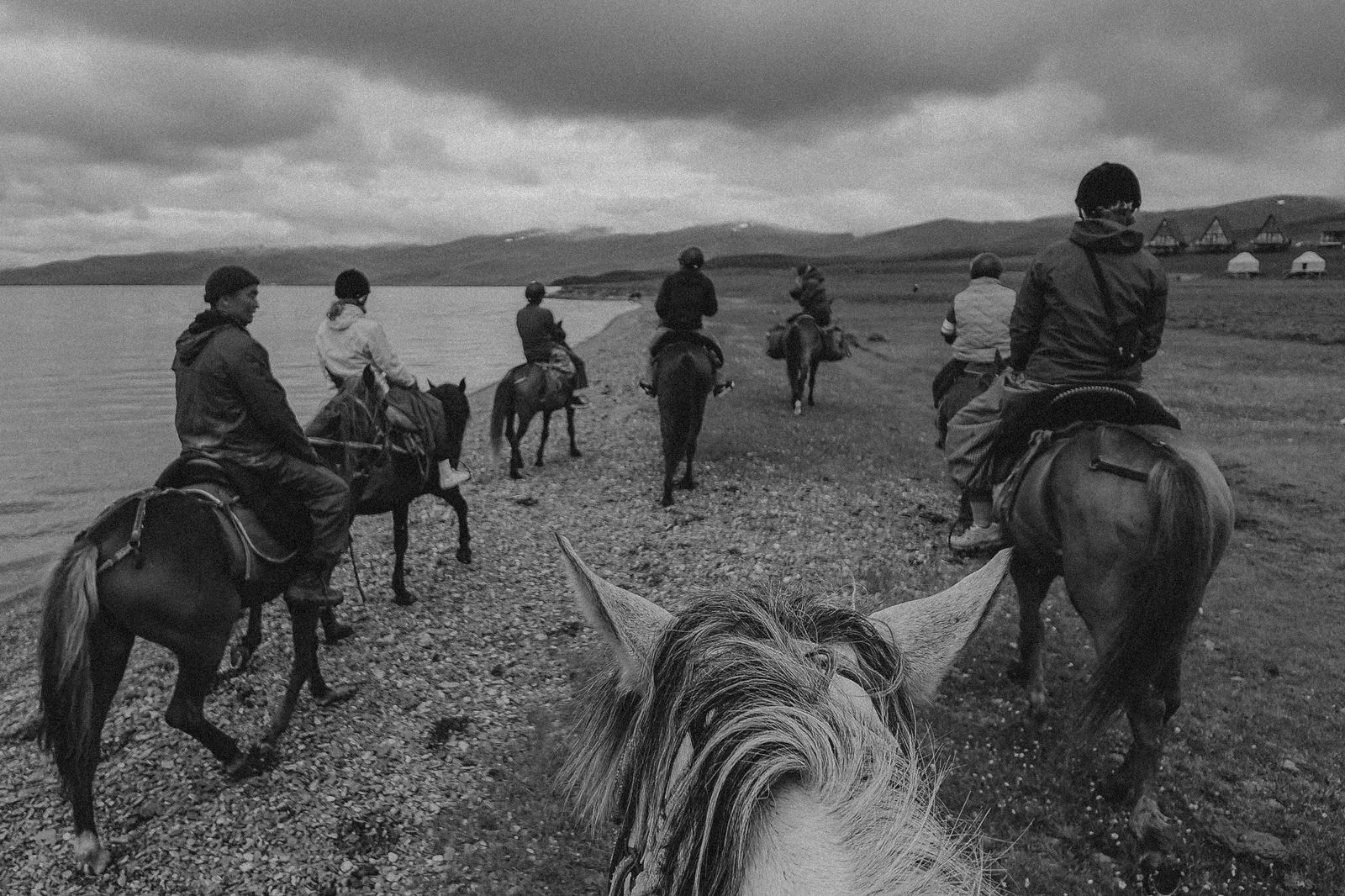
We walked village to village with a local guide, Youssef, and a mule called Bouchra who carried our bags and set the pace. Every night we slept in a gîte, a village guesthouse: a mattress on the floor, a shared washroom and a tagine for dinner.
A day in the valley
We walked five or six hours a day, never fast, and stopped often. Youssef knew every family and every shortcut. We drank mint tea in a dozen kitchens, watched barley being threshed by hand and climbed to the fortified granary of Sidi Moussa, which sits on a hill like a sandcastle.
Eight days through the Aït Bouguemez
- Day 1: drive from Marrakech, night in Tabant
- Days 2 and 3: the villages of the upper valley
- Day 4: the granary of Sidi Moussa
- Days 5 and 6: over a 2,600 m pass to a side valley
- Days 7 and 8: back down the valley and the long drive home
Practical notes
Spring and autumn are the seasons for walking; summer is hot in the afternoons and winter brings snow on the passes. Dress modestly, ask before photographing people and carry small notes for village shops. Most gîtes had electricity, a few had hot water, none had wifi worth mentioning.
Good to know
We walked with a local guide the whole way and would again: paths split often, and weather on the passes is hard to judge from below. Decide on the day, with someone who knows the mountains.
Why we loved it
Nothing here is staged for visitors. Kids walk to school along the same mule paths, women carry hay on their backs, men argue about water rights in the shade of the mosque. You are a guest in a working valley, and you are made very welcome.