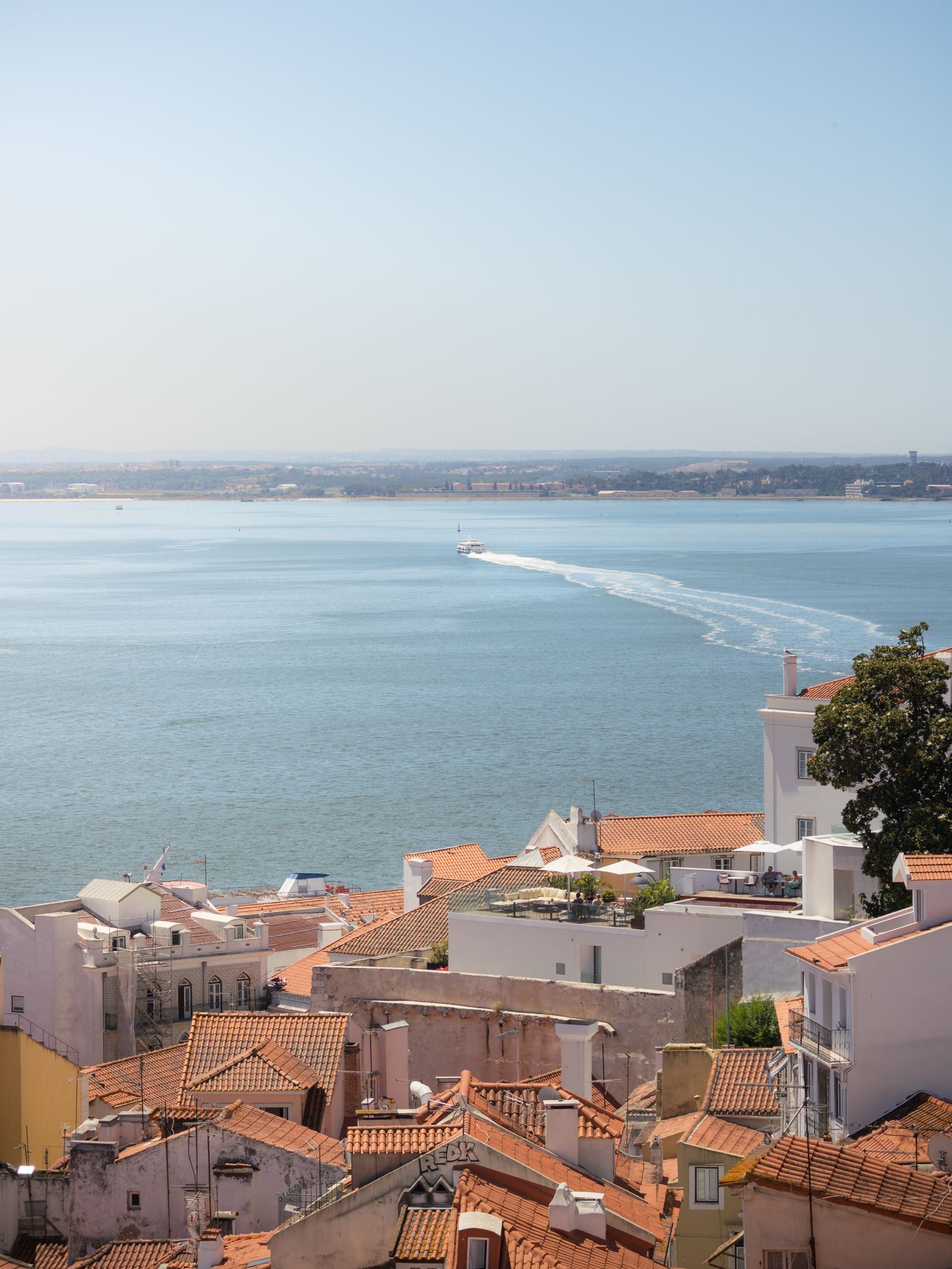
Every few trips we stop moving. We pick one town, rent somewhere with a kitchen and stay a month. Last winter it was Tavira, a whitewashed town on a river in the eastern Algarve, eleven kilometres from the Spanish border.
Tavira is not undiscovered, but in February it belongs to the people who live there. The cafés along the river fill with old men reading the paper, the market is busiest on Saturday and the beaches on the barrier island are almost empty.
Finding a place
We found our flat by asking. A friend of a friend knew a woman we will call Dona Fernanda who rents two rooms above her tiled house in the old town. A month cost less than ten nights in a hotel, and came with a roof terrace, a temperamental washing machine and advice on where to buy fish.
The shape of a slow day
Mornings were for work: Mara writing, Teo editing photographs at the kitchen table. At noon we walked to the market or along the salt pans to watch the flamingos. Afternoons were for long lunches, the ferry to Ilha de Tavira, or the train to a town nearby. We cooked most dinners at home.
Day trips by train and bus from Tavira
- Cacela Velha, a village on a cliff above the lagoon
- Olhão, for the fish market and the islands
- Vila Real de Santo António and the ferry to Spain
- Faro, for the old town and the cathedral roof
What a month gives you
By the second week the man at the bakery had our order ready. By the third we knew which café had the sun at four and which bench by the river was out of the wind. You stop collecting sights and start noticing things: the tide, the swallows arriving, the day the orange trees flowered.
A week is a holiday. A month is a small life somewhere else.
If you can work remotely, or if you have the time, try it once. Choose a town small enough to walk, big enough to have a market, and with a train station for the days you get restless.
We have written up exactly what the month cost, line by line, in our budgets section.