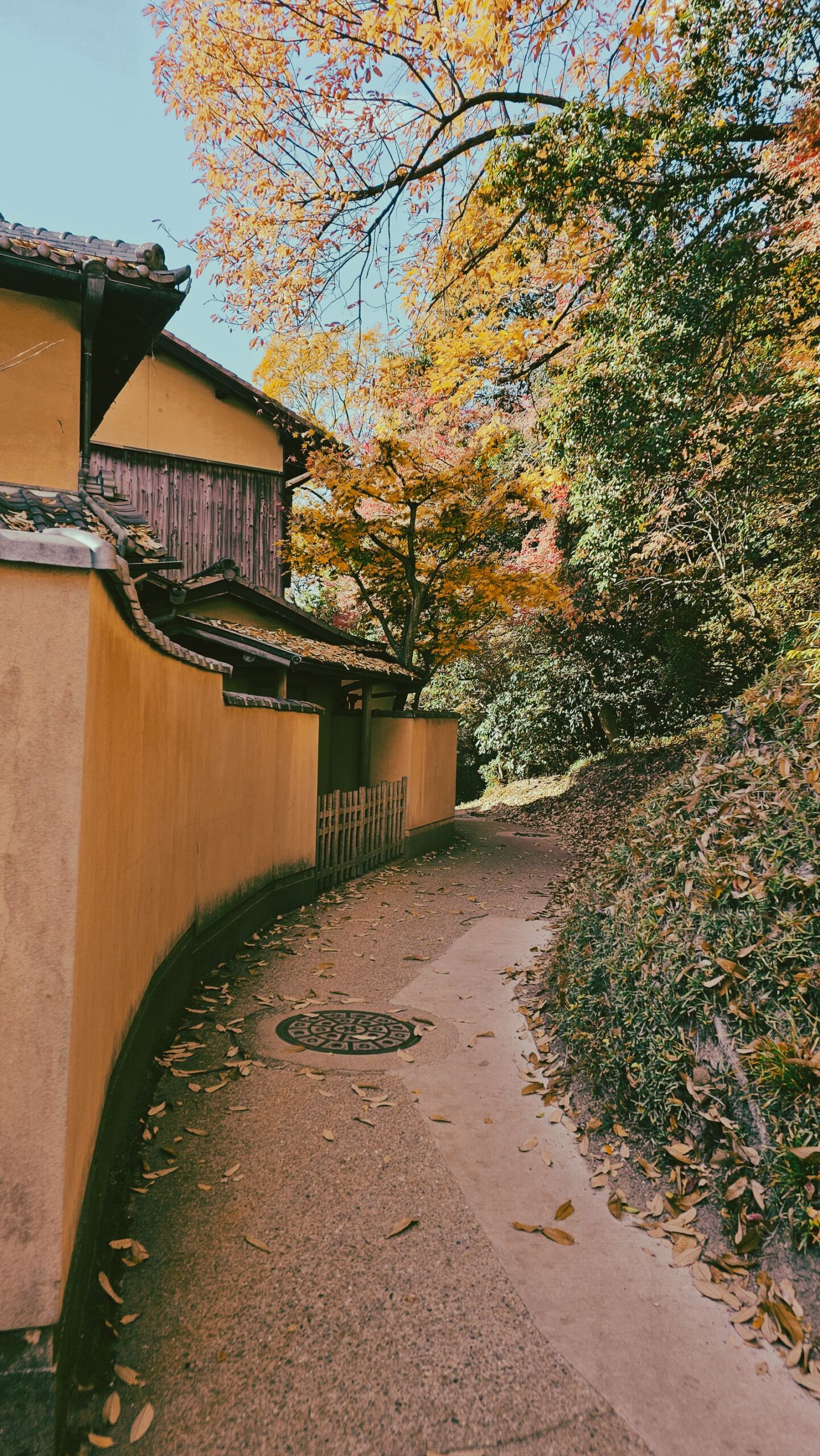
On our first trip to Japan we saw nine cities in two weeks and remember almost none of them. On this one we spent seven days in the Kiso valley in Nagano, walking short sections of the Nakasendo, the old road that once linked Kyoto and Edo, and sleeping in family-run inns.
The Kiso valley is steep, wooded and quiet, with a river at the bottom and a string of post towns where travellers once rested. Some, like Narai and Tsumago, are carefully preserved. Others are simply small towns where people live.
How we did it
We based ourselves in three inns, two or three nights each, and walked between them or took the local train. Our bags went ahead by a luggage service. Most days we walked between eight and fifteen kilometres, which left the afternoons for baths, naps and long dinners.
A slow week on the Kiso road
- Days 1 and 2: Narai and the Torii pass
- Days 3 and 4: Kiso-Fukushima, with a day doing nothing
- Day 5: the train south to Nagiso
- Days 6 and 7: Tsumago to Magome over the Magome pass, 801 m
The inns
A minshuku is a family guesthouse: tatami rooms, futons laid out after dinner, a shared bath. Ours were run by grandparents and grandchildren together. Dinner was eight small dishes, most from the valley, and breakfast was rice, fish, pickles and miso soup at seven sharp.
We walked less than a hundred kilometres all week, and it felt like we had seen more of Japan than ever.
Why slow works here
The joy of the Kiso valley is in the walking between the famous parts: cedar forests, small shrines, rice terraces, an old woman selling persimmons on the porch. Rush and it becomes a series of photographs. Go slowly and it becomes a week you remember in detail.
Good to know
Late October and November bring the autumn colours and cool walking days, but also the most visitors. Book inns early, and walk the famous Tsumago to Magome stretch on a weekday morning.