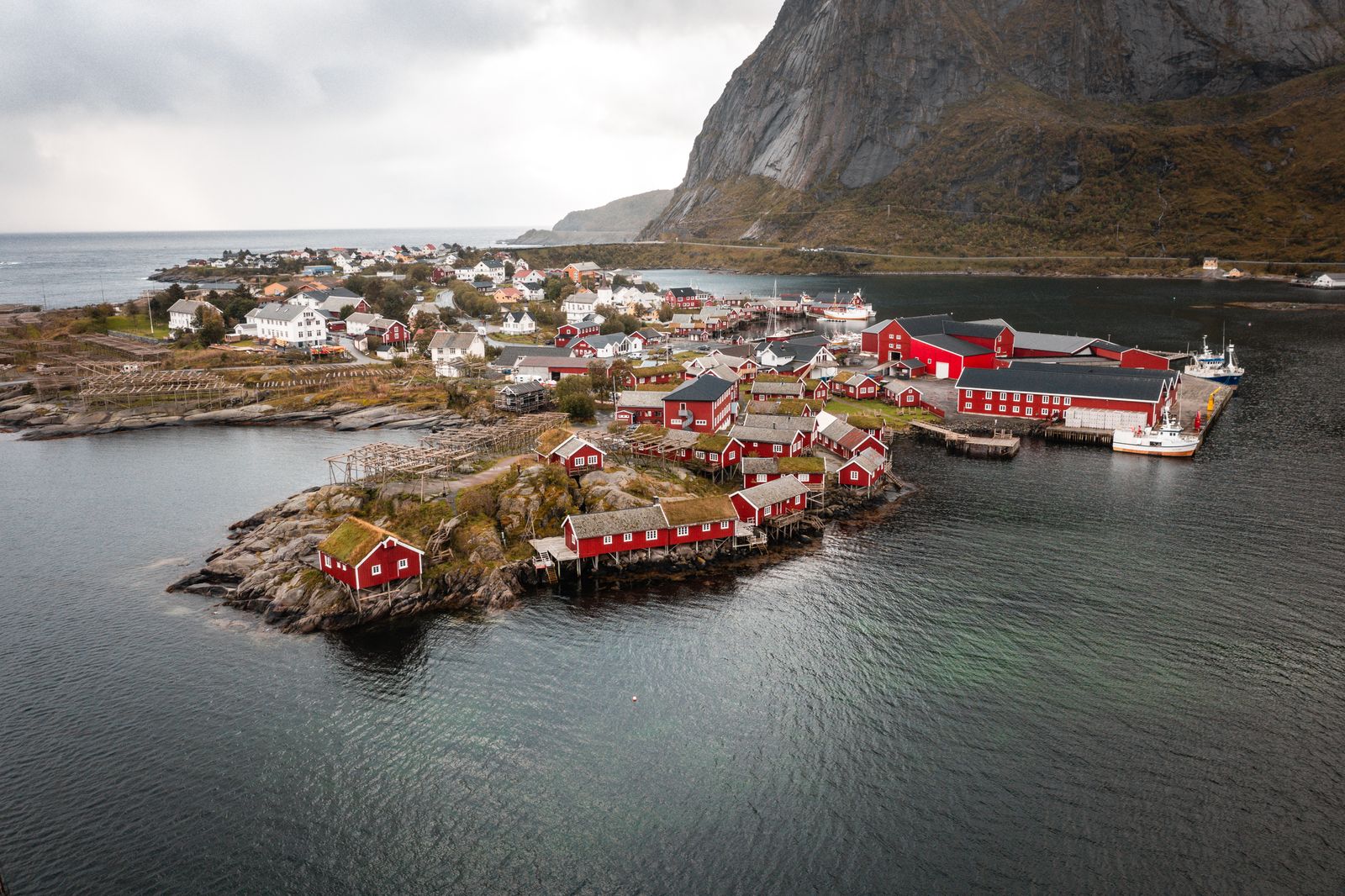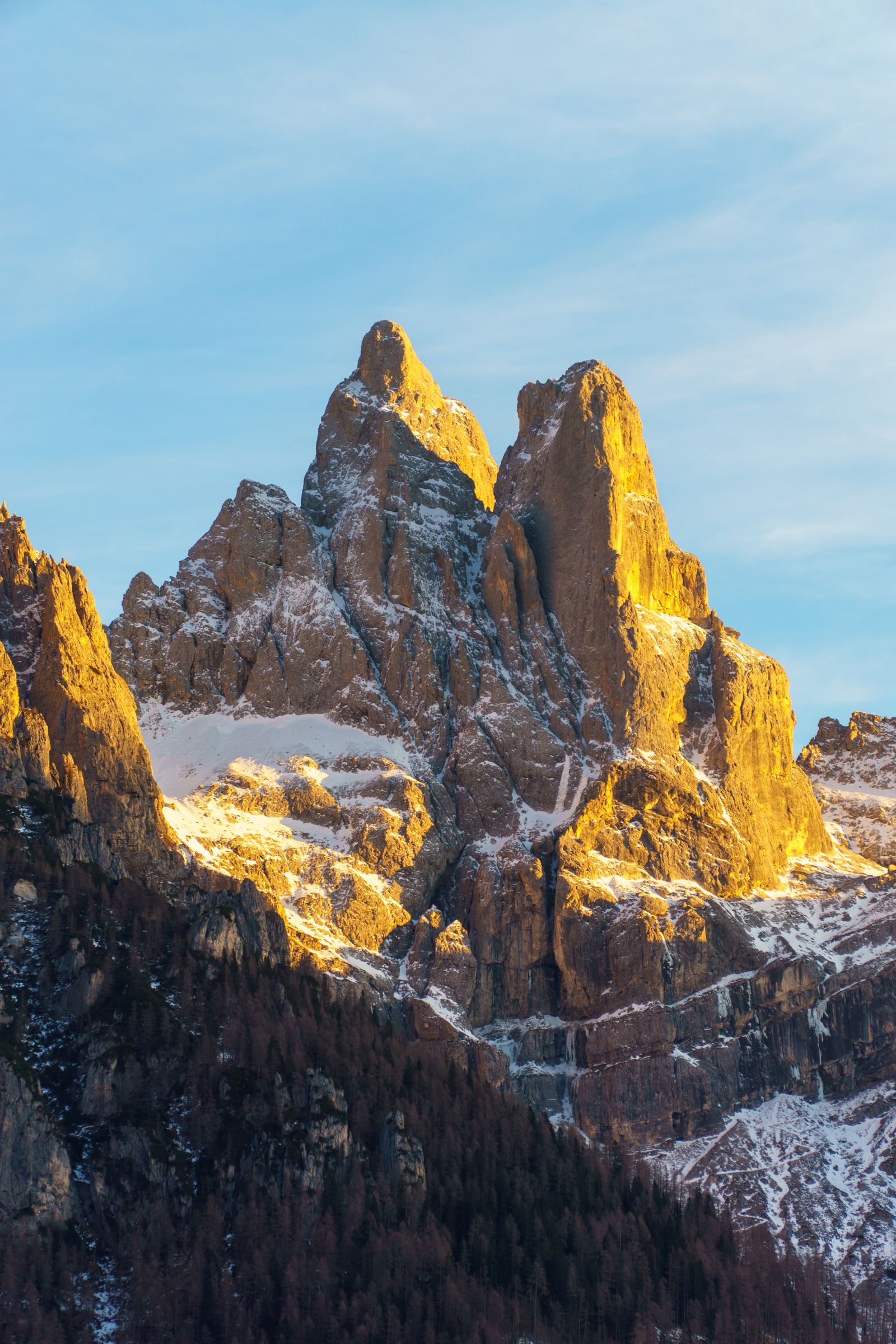
Our northern loop through Norway this autumn has gone from Bergen to Tromsø, through rain, sun, sleet and the first snow. It is cold, but not extreme, and the trick is not heavy clothing. It is good layers, a dry pair of socks and the right small things.
The layer system
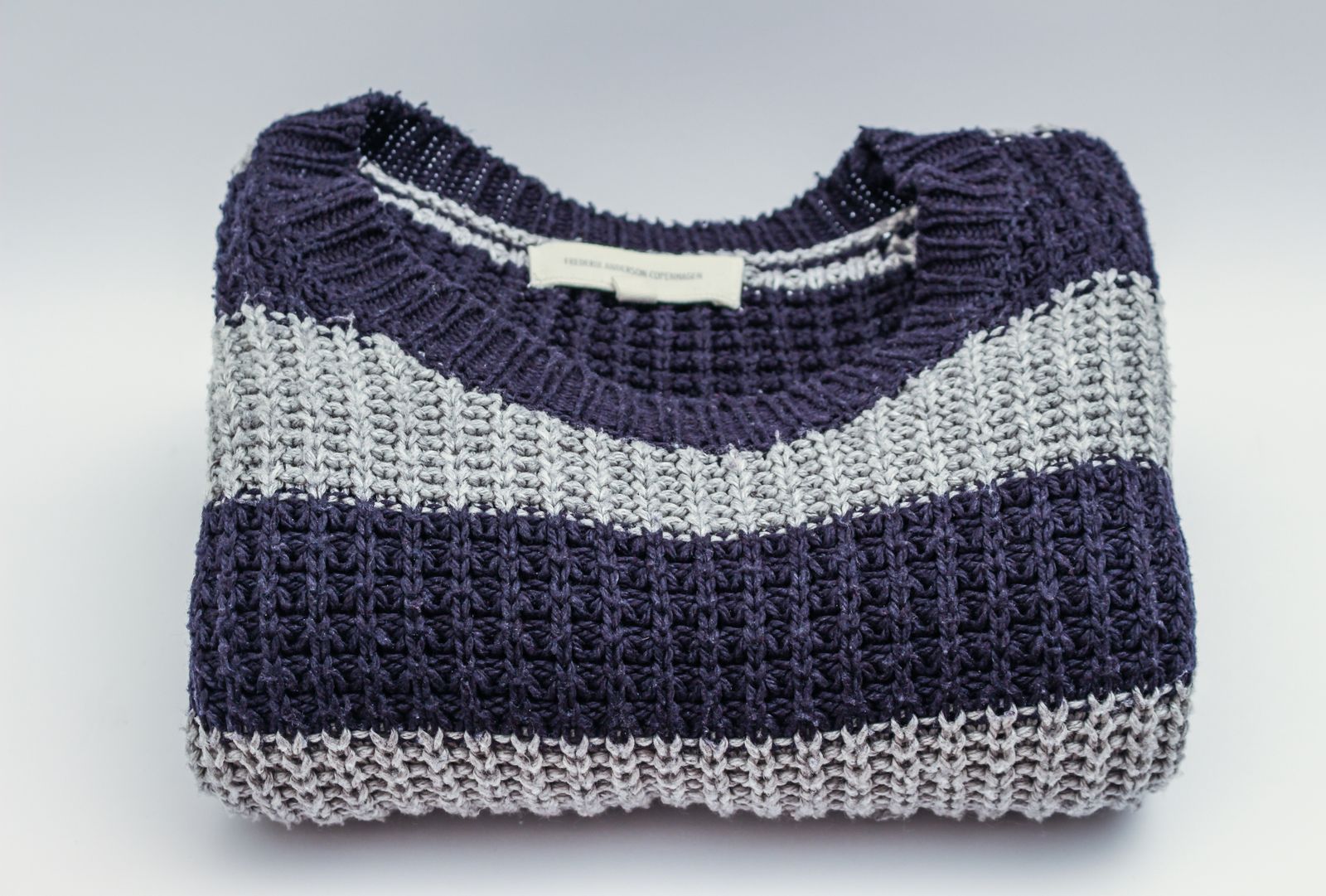
Next to the skin, a thin merino base layer. Over that, a warm fleece or wool jumper. On top, a waterproof and windproof shell. For the coldest mornings, a down jacket under the shell. Four thin layers are warmer and more flexible than one big coat.
Six weeks in the Arctic autumn
- Two merino base layers, top and bottom
- A wool jumper and a fleece
- A down jacket
- A waterproof shell jacket and overtrousers
- Walking trousers with a warm lining
- Waterproof walking boots
- Light boots with grip for icy streets
- Five pairs of wool socks
- A warm hat, a buff and two pairs of gloves
- Slip-on ice grips for shoes
- A head torch for the long evenings
- Sunglasses: low sun on snow is bright
- A small thermos
Most of this fits in a carry-on, with the boots and the down jacket worn on travel days.
The small things
A thermos was the best thing we packed: hot coffee on a cold ferry deck is a small joy. Slip-on ice grips weigh almost nothing and made icy pavements in Tromsø walkable. Two pairs of gloves meant one was always dry.
What we would leave at home
Heavy cotton anything. It soaks up rain and sweat, then stays cold and wet. A big ski jacket, which takes up half a bag and is too warm for walking. And umbrellas: the wind takes them in minutes.
Good to know
Weather in northern Norway changes quickly, and daylight in late autumn is short. Plan your walks for the middle of the day and always carry an extra layer.
Cold, bright places are some of the most beautiful we know. Packed right, they are also some of the most comfortable.