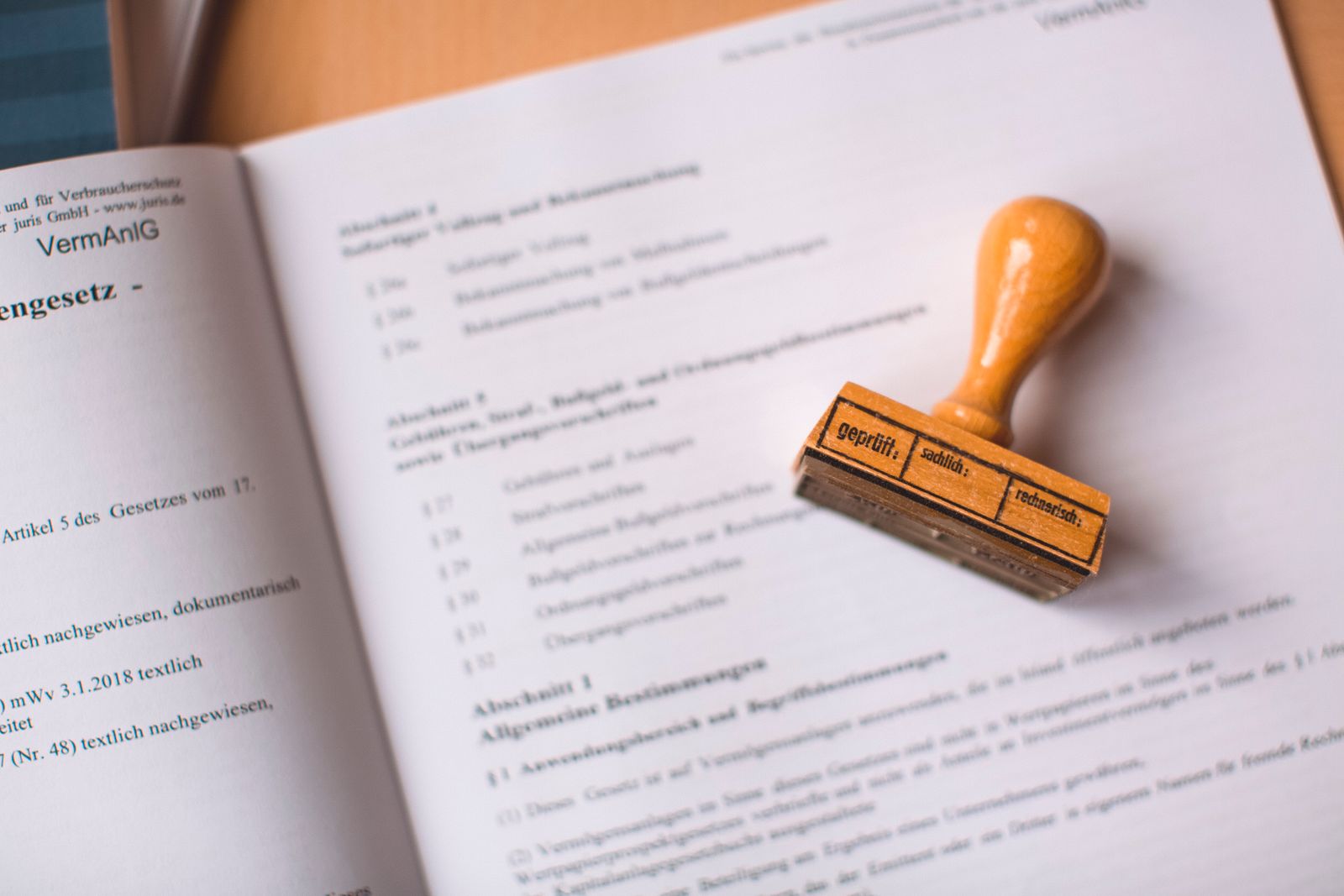
Many people call us asking for a “certified translator”, expecting a government stamp. In the United States, certification usually means something simpler: a complete, accurate translation together with a signed statement from the translator or agency saying so. This note explains what that looks like in practice. It is general information, not legal advice; always check the exact rules of the office that will receive your documents.
The statement of accuracy
A certified translation comes with a short statement, signed and dated, saying that the translator is fluent in both languages and that the translation is complete and accurate to the best of their knowledge.
At Ferrylane the statement is printed on our letterhead and names the translator, the languages and the document. It is attached to the translation and a copy of the original, so the three pages travel together.
Complete means complete
Receiving offices often reject translations that skip parts of the page. We translate everything: headers, stamps, seals, handwritten notes and even the text on the back.
Where something cannot be read, we write [illegible] in the translation rather than guessing. Where there is a seal with no text, we describe it, for example [round seal of the civil registry].
Certified, notarized or sworn?
These words are often mixed up. A notarized translation means a notary has confirmed the identity of the person signing the statement; the notary does not check the translation itself.
Sworn translators are part of the legal system in some other countries. If a foreign authority asks for a sworn translation, ask us first: it may need a translator registered in that country.
What to send us
A clear scan or phone photo of every page, front and back, and the spelling of names exactly as they appear in your passport. We confirm names and dates with you before we sign anything, and a standard document is usually ready in two working days.