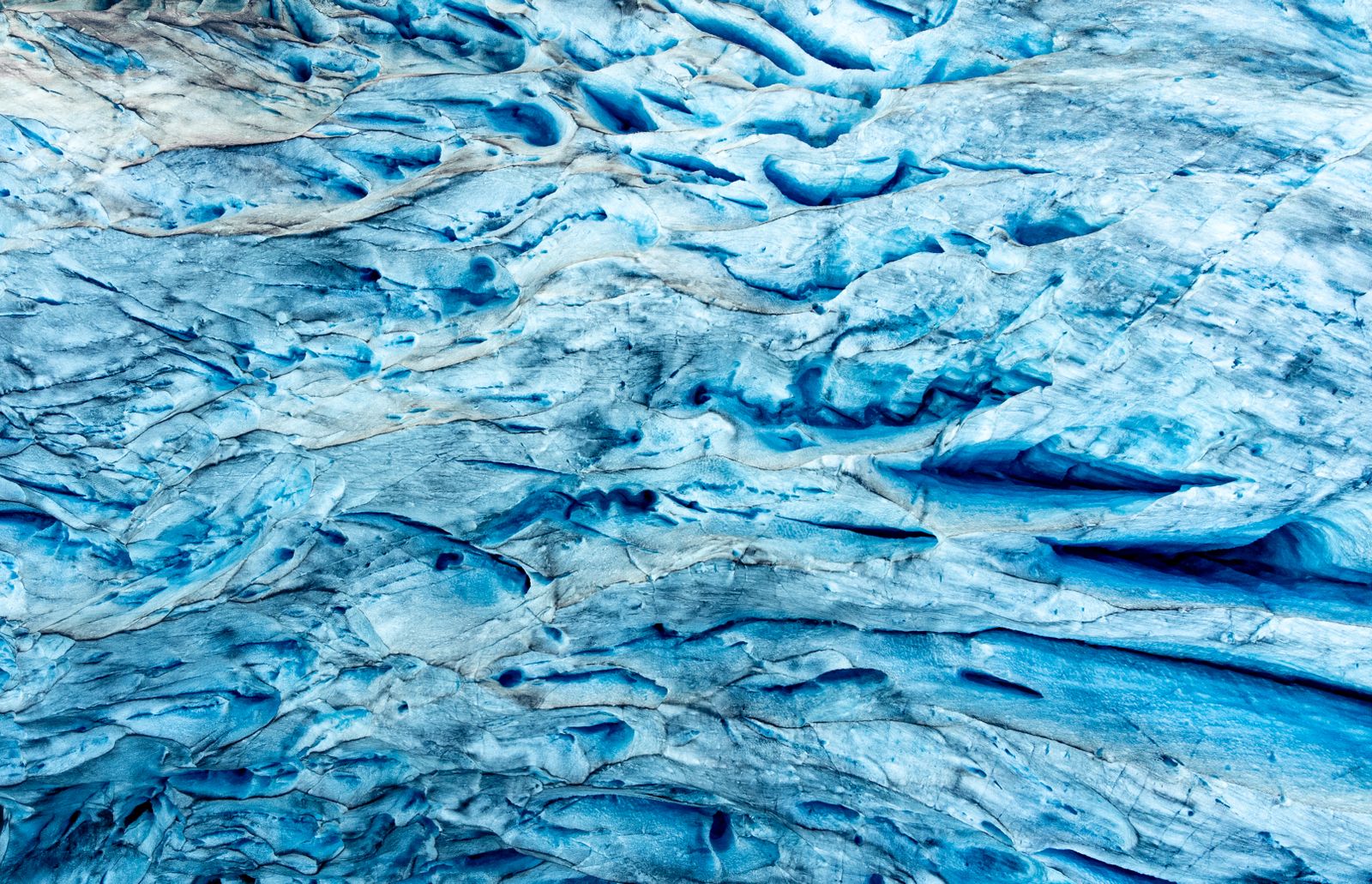
On the high plateau of Antarctica, snow falls and almost never melts. Year after year it piles up, presses down and turns to ice. Trapped inside are tiny bubbles of air, sealed off from the atmosphere for tens or hundreds of thousands of years.
Drill down through that ice and you pull up a timeline. The longest continuous cores from Antarctica reach back about 800,000 years, through eight cycles of ice ages and warm periods.
From snow to sealed bubbles
Fresh snow is fluffy and full of air. Under the weight of later snowfall it compacts into a grainy material called firn, then, tens of metres down, into solid ice. At that point the air between the grains is pinched off into bubbles. Each bubble is a small sample of the atmosphere from around the time it was sealed.
How a core is read
- Drill: a hollow drill brings up the ice in sections a few metres long.
- Date: near the top, yearly layers can be counted like tree rings; deeper down, they are matched to markers such as volcanic ash and to models of how ice flows and thins.
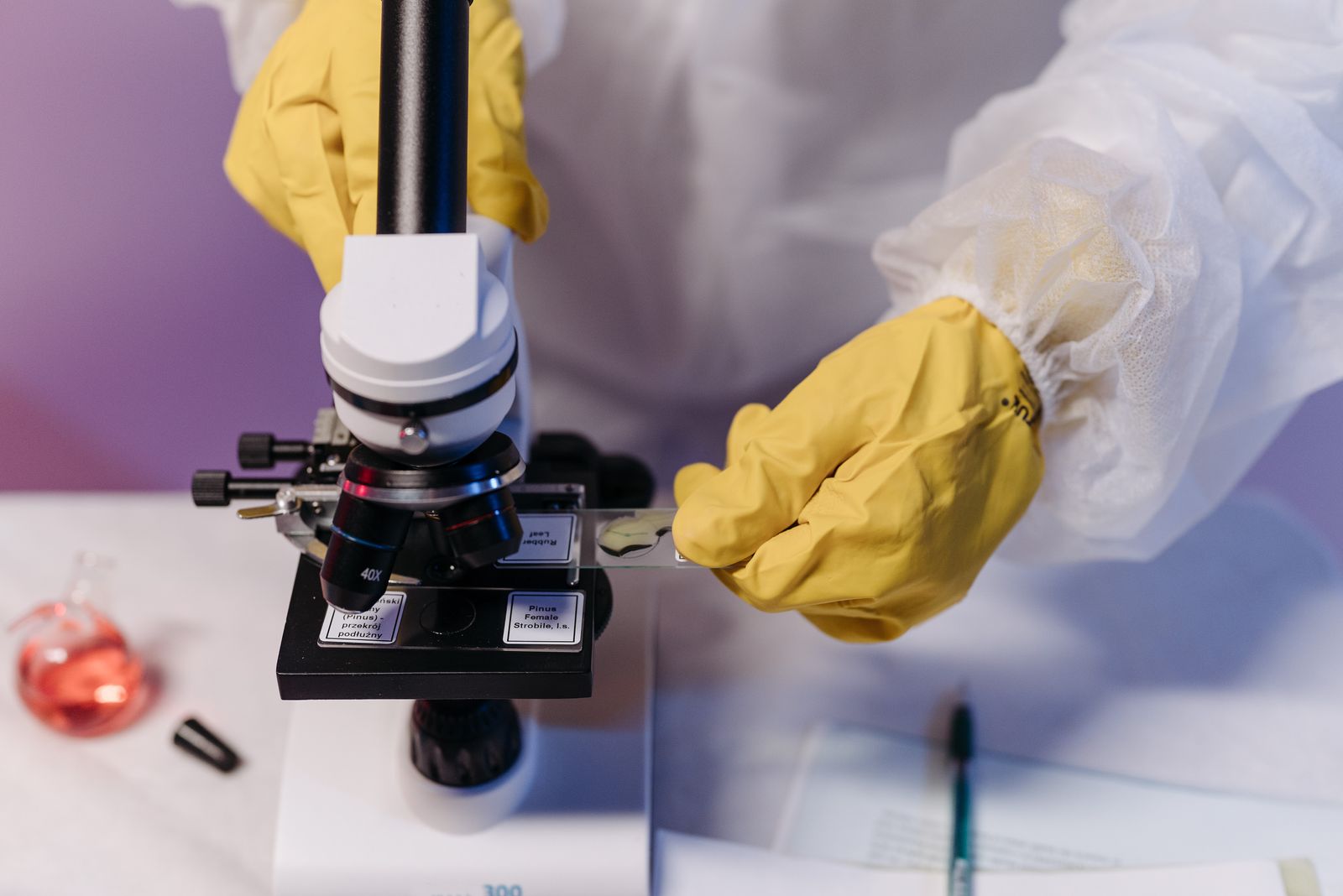
- Measure: air from the bubbles is released in a vacuum and its carbon dioxide and methane are measured.
- Compare: the chemistry of the ice itself, especially different forms of oxygen and hydrogen, records how warm or cold it was.
What the bubbles say
Over those 800,000 years, carbon dioxide rose and fell with the ice ages, staying roughly between 180 and 300 parts per million. Temperature and carbon dioxide moved together through each cycle.
Today the air outside your window holds more than 420 parts per million, well above anything recorded in the cores, and it has climbed there in less than two centuries.
What we know, and what we don’t
- Known: ice cores give a direct sample of ancient air, not an estimate from other clues.
- Known: the deepest layers are the hardest to date, so their ages carry wider error bars.
- Still asked: whether even older ice, perhaps more than a million years old, survives in a few places.
Ice cores are one of the clearest examples of how we know: physical samples, counted and measured, checked against each other in different laboratories around the world.