The notebook
-
How your cells read a recipe: the ribosome, step by step
Every protein in your body was built by a machine smaller than a virus, reading a strip of genetic code three letters at a time. Here…
-
What a fever is doing for you
A fever is not your body overheating by accident. It is a thermostat turned up on purpose. Here is what changes, and why.
-
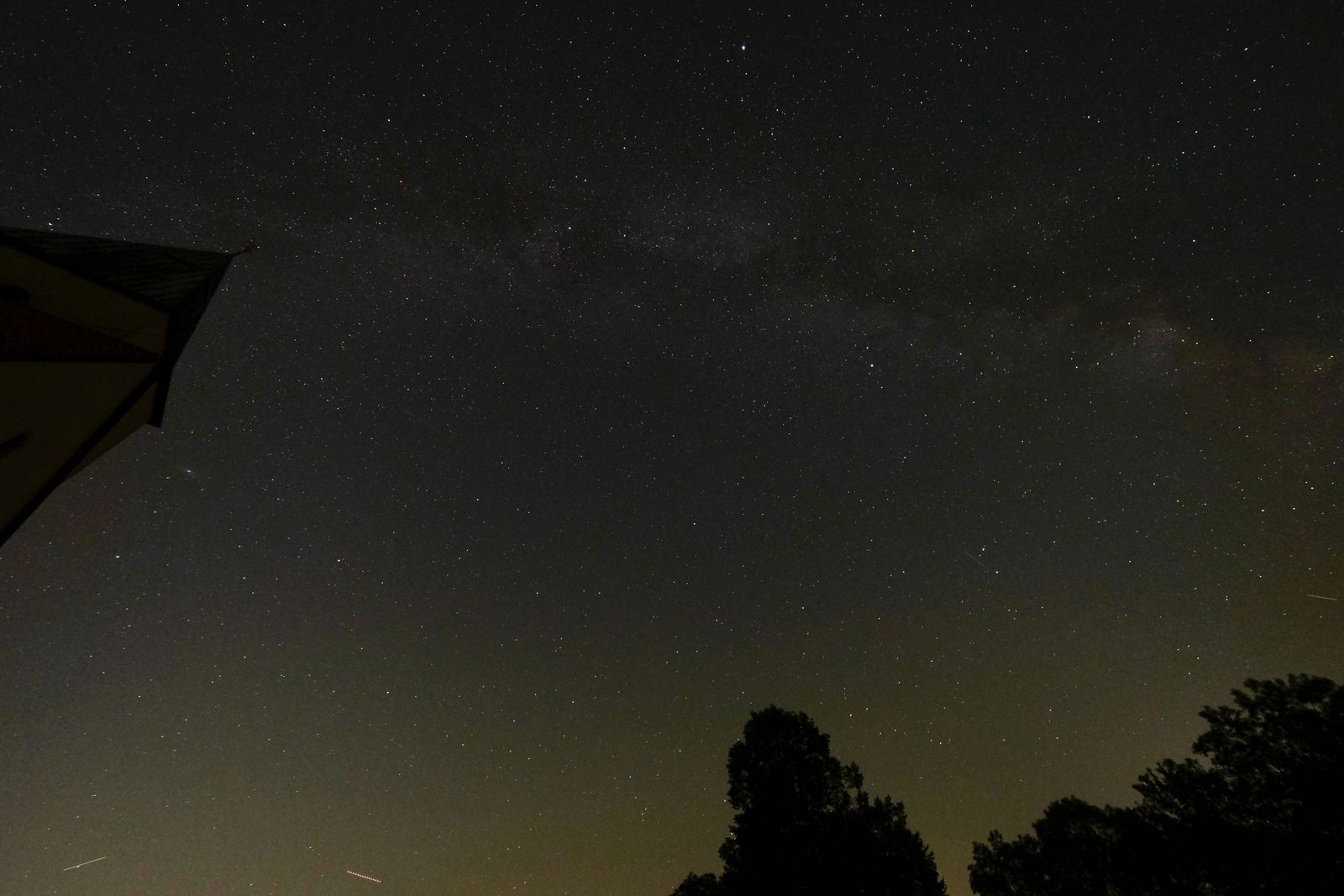
Why is the night sky dark?
If the universe is full of stars, every direction should end on one. The reason it does not is a clue to the age of everything.
-

Ice cores: reading 800,000 years of air
Tiny bubbles in Antarctic ice hold samples of ancient air. Here is how scientists drill, date and read them.
-

How noise-cancelling headphones make silence
They do not block sound so much as answer it, with a mirror image of the noise. Here is why the hum vanishes and voices do…
-
Q&A: a field ecologist on counting animals you can’t see
Ines Halvorsen counts shy mammals in dense forest. She explains camera traps, DNA in river water and why every count comes with a range.
-
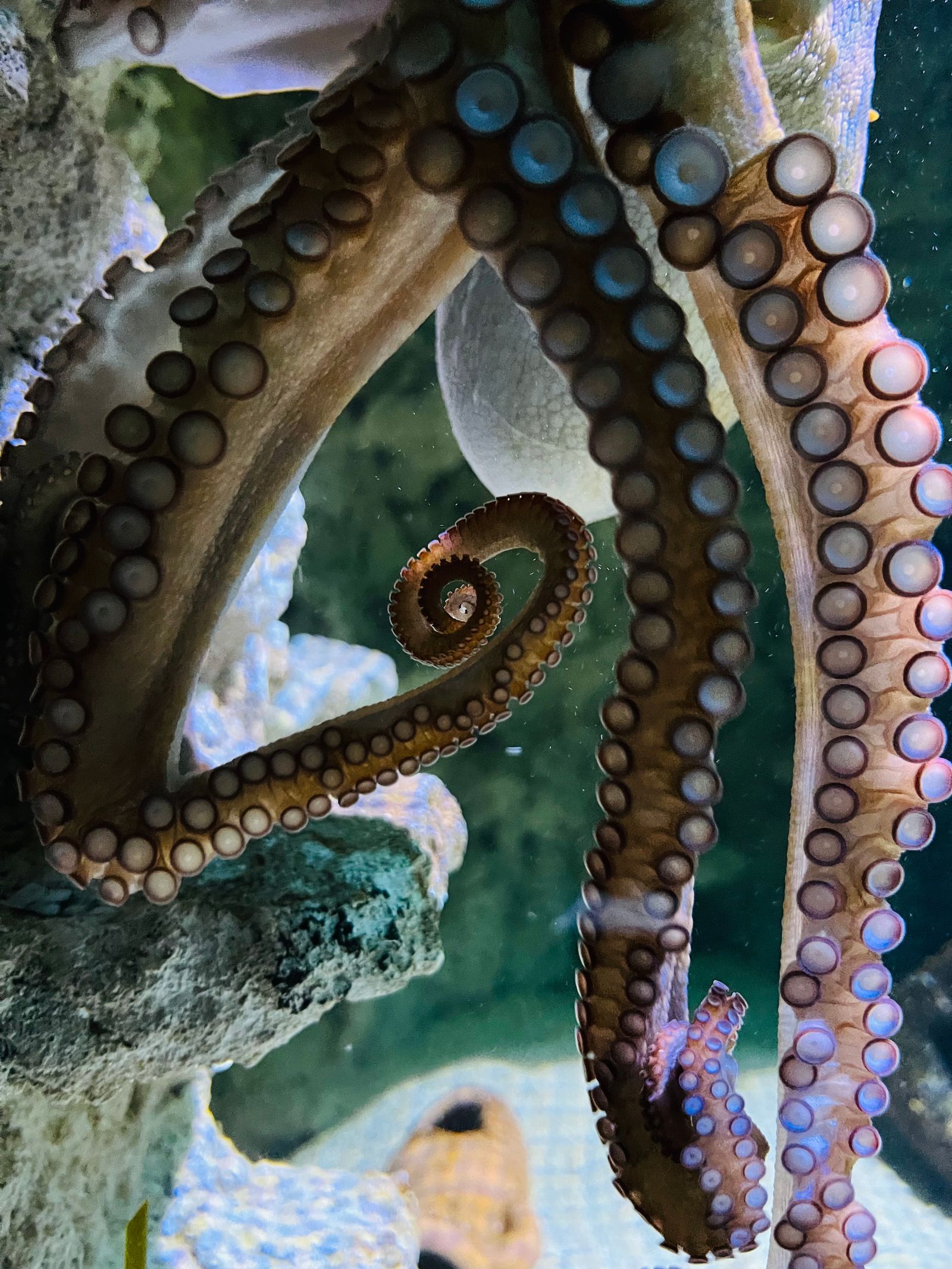
Why octopuses taste with their arms
Most of an octopus’s neurons are not in its head. Its suckers can taste what they touch, and its arms can explore on their own.
-
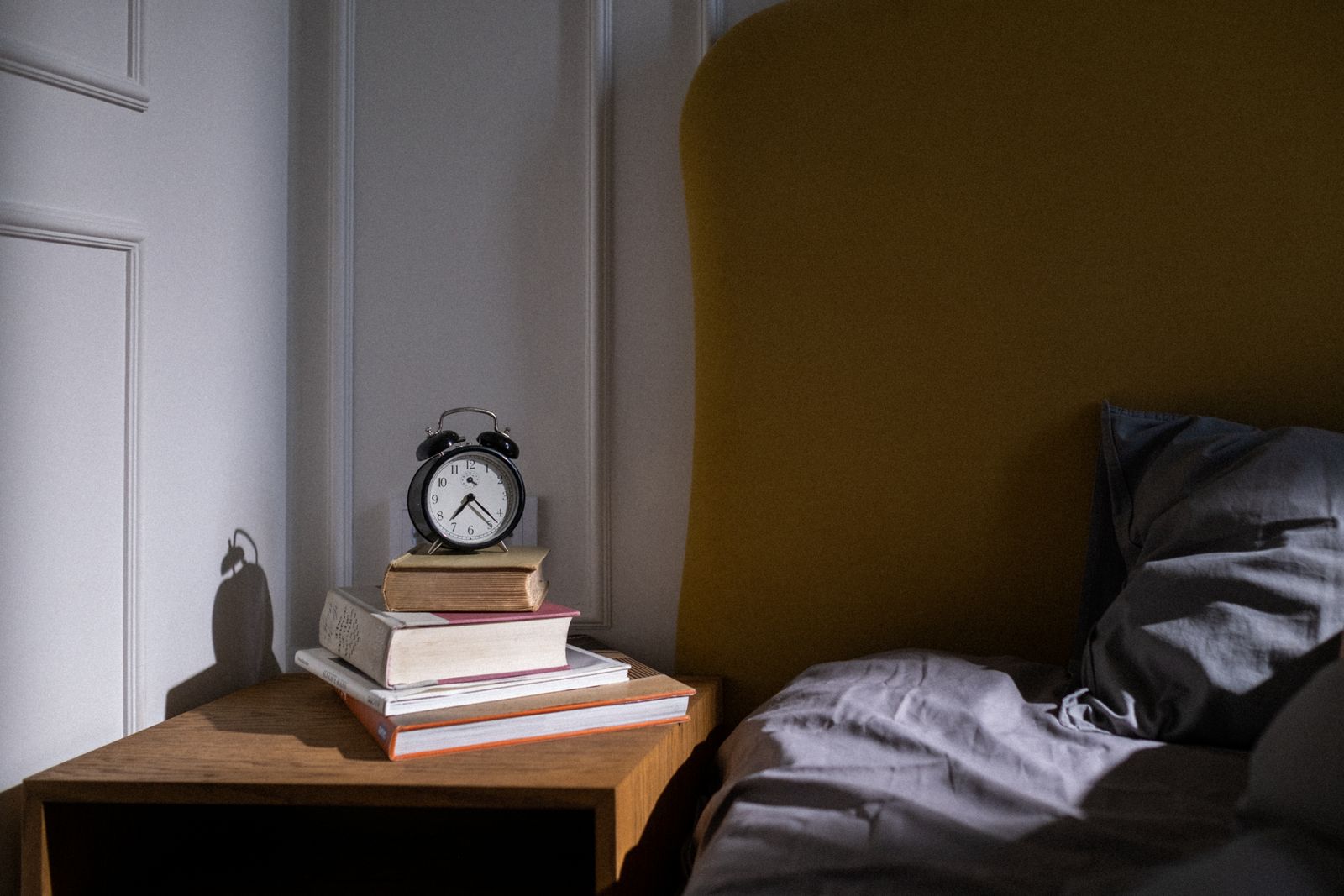
Why sleep debt feels so heavy
A chemical builds up in your brain every hour you are awake. Your body clock pushes back. Here is the tug of war behind feeling tired.
-
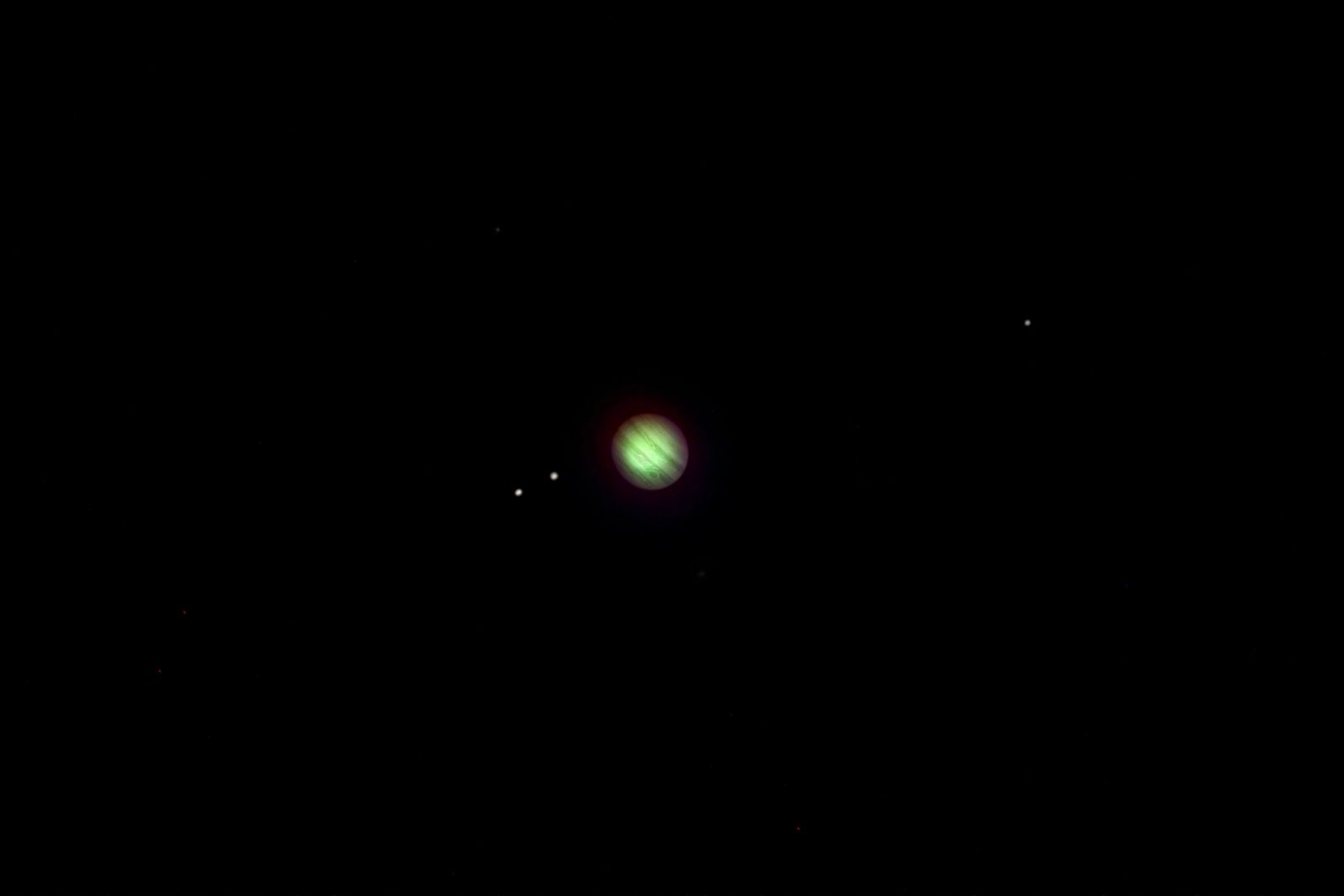
How do we weigh a planet we’ve never visited?
Nobody has put Jupiter on a scale. Astronomers weigh it by timing its moons. The same idea works for planets around other stars.
-

Why cities are hotter than the countryside
A study in the fictional river city of Port Alder found summer nights up to 6°C warmer downtown than in nearby fields. Here is why, and…