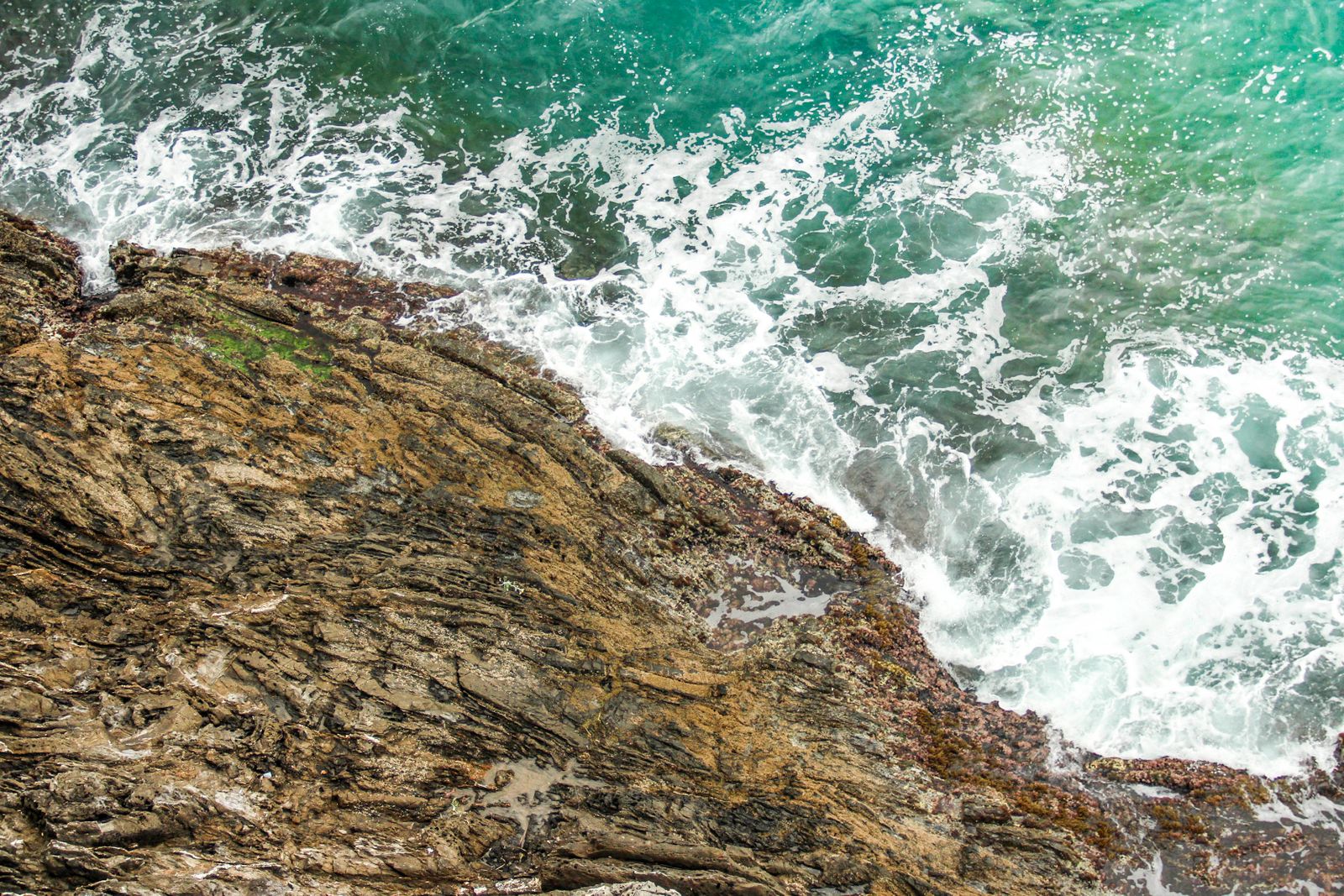
Global sea level is rising, but not for one reason. Two separate processes are adding up, and a third thing many people expect to matter turns out to make little difference.
One: warm water expands
Water, like most things, takes up a little more space when it warms. The oceans have absorbed most of the extra heat trapped by greenhouse gases, and the top layers have warmed measurably. Spread across an ocean thousands of metres deep, a small expansion adds up to a real rise at the coast.
Two: ice on land melts into the sea
Mountain glaciers and the great ice sheets of Greenland and Antarctica sit on land. When they melt, or when ice slides off into the ocean, that water is new to the sea and raises its level.
What counts, and what doesn’t
- Counts: warming water expanding.
- Counts: glaciers and ice sheets on land losing ice to the sea.
- Barely counts: floating sea ice melting. It already displaces almost its own weight of water, like an ice cube melting in a glass.
How we know
Tide gauges, some of them recording for more than a century, measure the sea at harbours around the world. Since the early 1990s, satellites have measured the height of the ocean surface from orbit with an accuracy of a few centimetres, all across the globe.
The numbers
- Rise since 1900
- about 20 cm
- Recent rate
- about 4 mm a year
- Measured by satellite since
- 1993
The two records agree on the big picture: the sea has risen by roughly 20 centimetres since 1900, and the yearly rise has sped up in recent decades.
Not the same everywhere
The sea does not rise evenly, like water in a bath. Winds and currents pile water up in some places. Land itself rises or sinks: some coasts are still slowly rebounding after the weight of ancient ice sheets lifted, while others sink as sediment settles or groundwater is pumped out. That is why two towns on the same coast can see different rises.
A few millimetres a year sounds small until you multiply it by a coastline and a century.
Scientists are most uncertain about the ice sheets, which can change faster than expected once they begin to retreat. That is where many of today’s field expeditions are focused.