We log every expense in a shared notebook: Mara writes, Teo adds up. It started as a way to stop arguing about money, and became one of the most useful things we do. Here are the numbers from a month in Tavira, in the eastern Algarve, last February.
All costs are for two people, converted to US dollars at the rate on the day we paid. Flights to and from Portugal are not included.
Thirty days in Tavira, for two
- Rent, a one-bedroom flat in the old town
- $1,350
- Food from markets and shops
- $780
- Cafés and meals out
- $690
- Trains, buses and ferries
- $210
- Phone data
- $30
- Laundry and small things
- $85
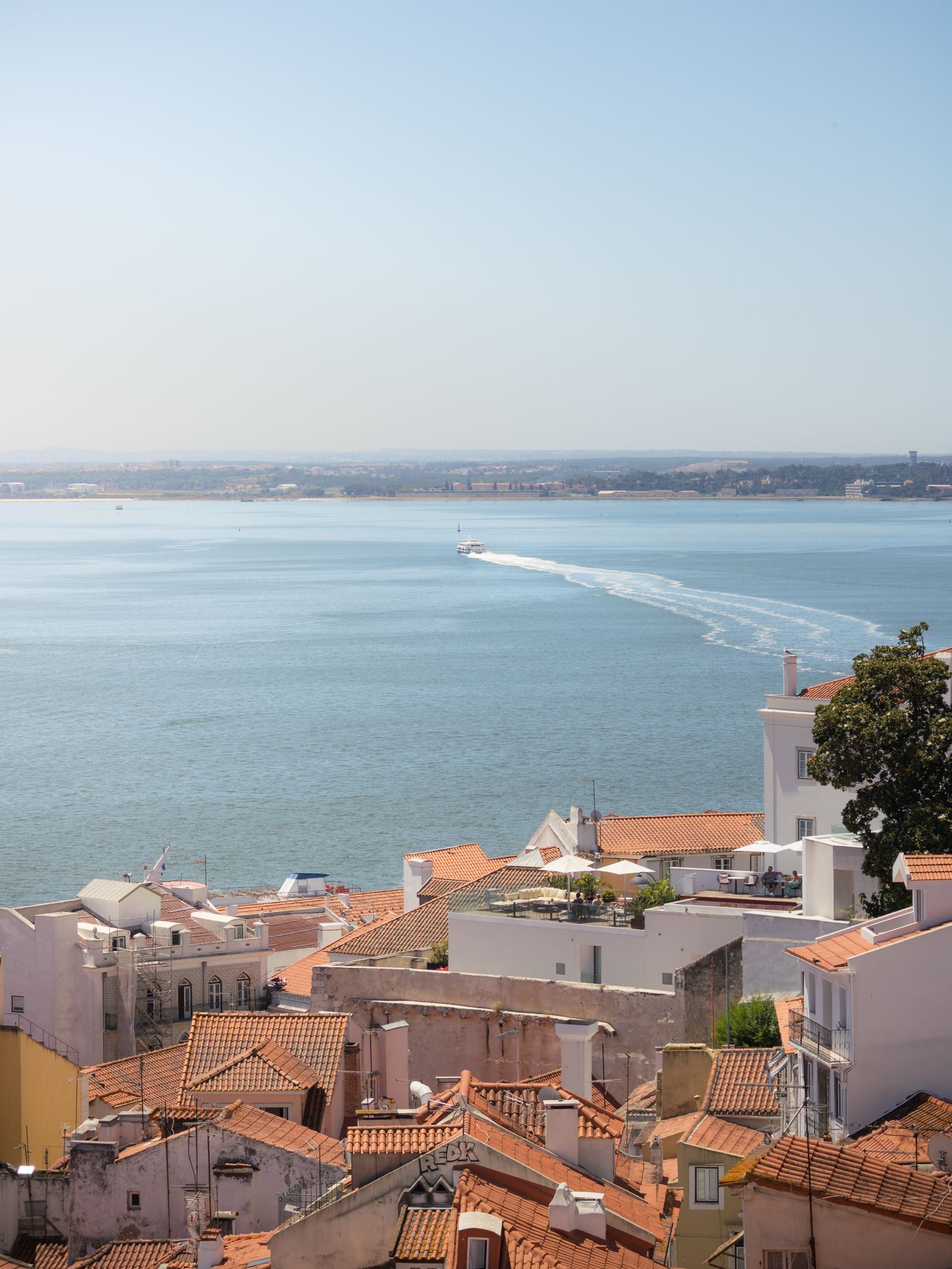
- The splurge: a night in Lisbon
- $395
- Total, or $118 a day
- $3,540
Where the money went
Rent was the biggest cost, as it always is when we stay put. A month cost less than ten nights in a hotel, though, and having a kitchen cut our food costs in half. We cooked most dinners and ate lunch out three or four times a week.
What was cheap
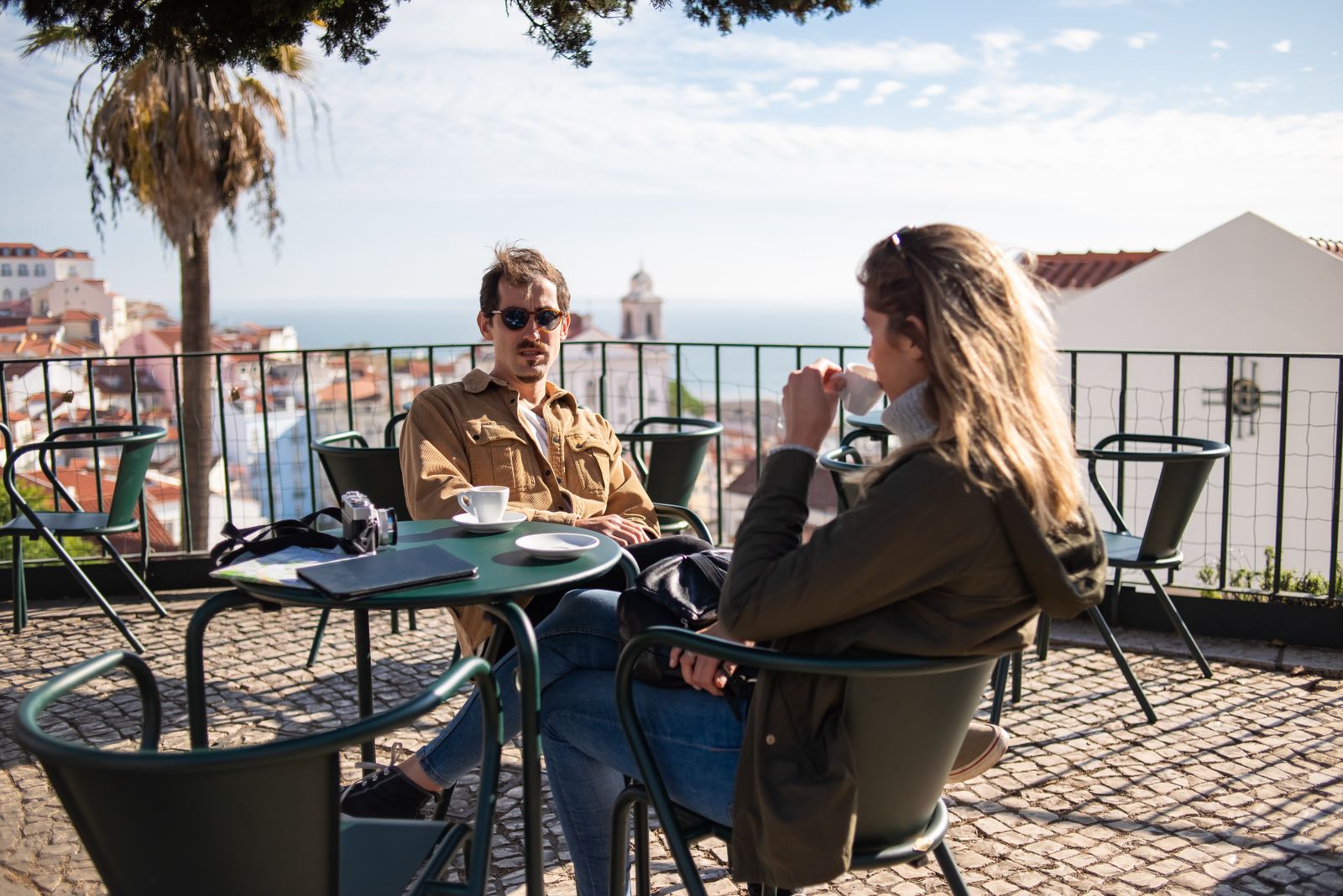
Coffee and a pastry at a café: under three dollars for both of us. Trains along the coast: a few dollars each way. The ferry to the barrier island beaches: two dollars return. A plate of grilled fish at a local restaurant at lunchtime: about twelve dollars each with salad and a drink.
What was not
Eating dinner out in the old town every night would have doubled our food bill. Car hire, which we skipped. And our one splurge, a night in Lisbon for Mara’s birthday, which we do not regret at all.
Slow travel is not always cheaper per day. It is cheaper per memory.
Good to know
Off-season rents in small Portuguese towns are often far lower than summer prices. Ask locally, stay longer, and agree everything in writing before you pay.
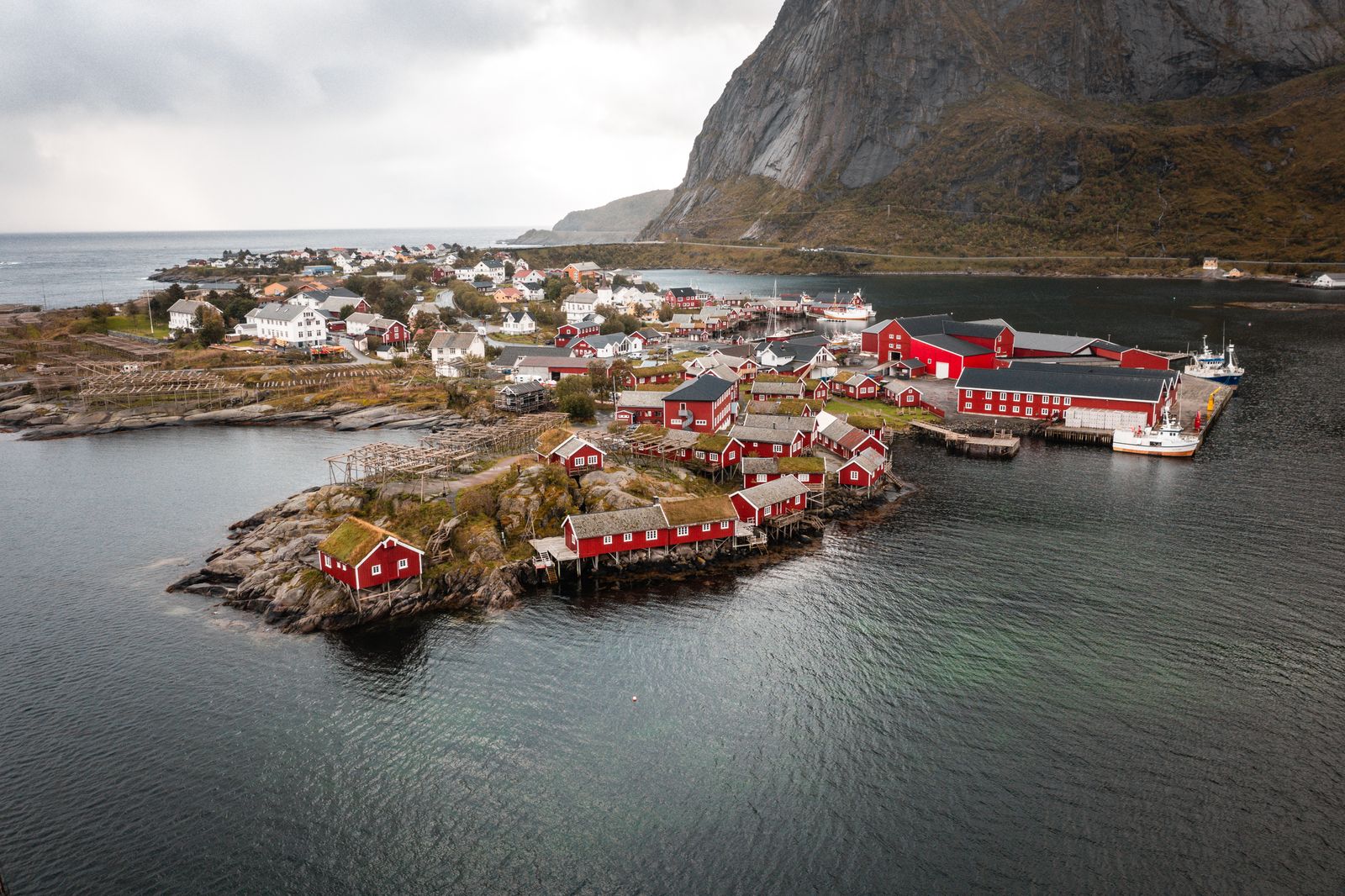
For comparison, our ten days in Lofoten cost more than twice as much per day. Where you stay, and for how long, changes everything.