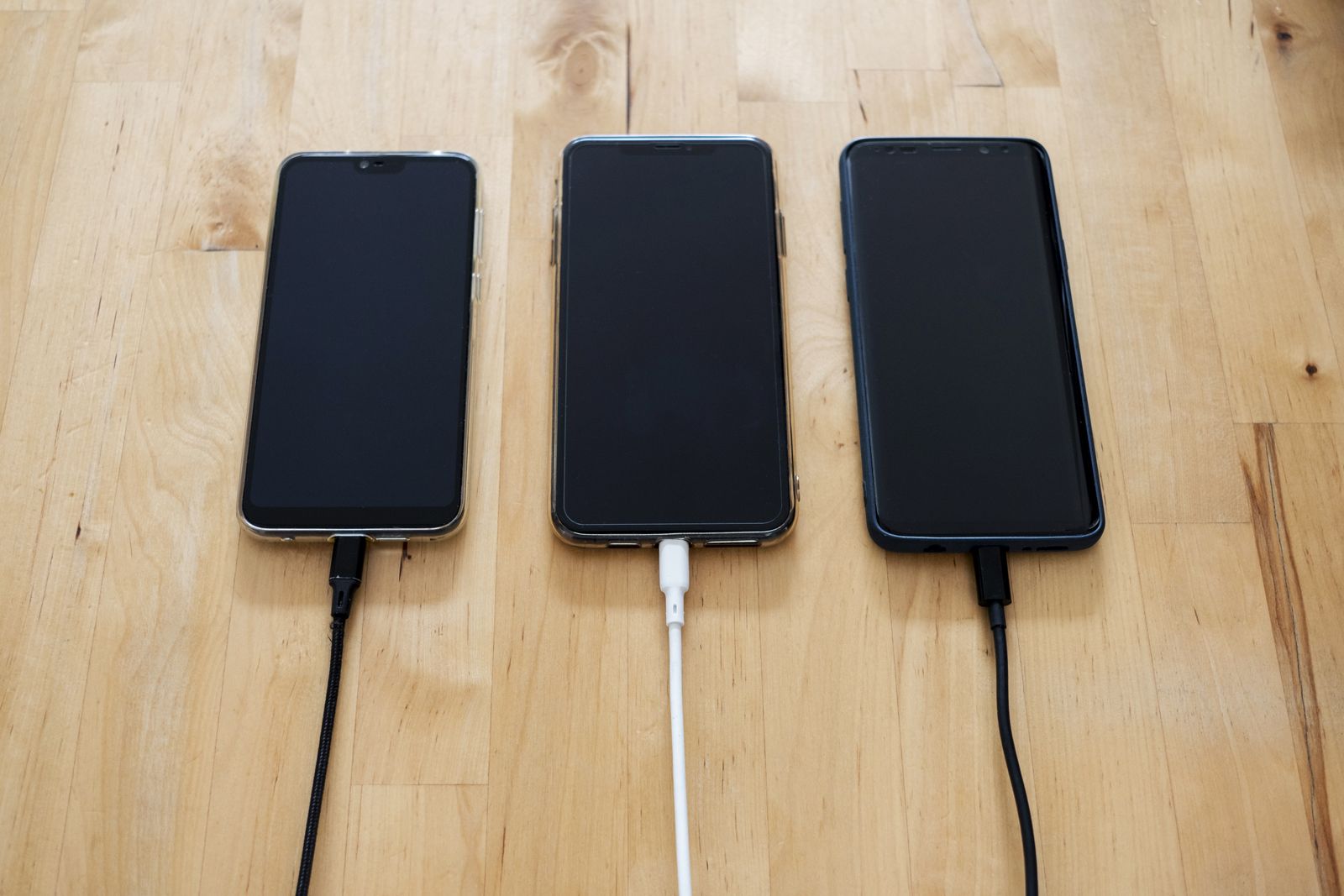
A new phone easily lasts the day. Two years later, it is gasping by mid-afternoon. The battery has not been damaged in one dramatic moment; it has aged a little with every charge.
How the battery works
A lithium-ion battery has two sides separated by a thin barrier and soaked in a liquid called an electrolyte. When you charge it, lithium ions move from one side, usually a metal oxide, into the other, usually graphite, where they tuck between layers of carbon. When you use the phone, they flow back, and that flow drives a current through your phone.
Where the capacity goes
Each trip is not perfectly clean. On the graphite side, a thin crust forms where the electrolyte reacts with the surface. A little of it is necessary; it protects the electrode. But it keeps growing slowly, and every bit of it locks away lithium that can no longer carry charge.
The other side ages too. Its crystal structure strains and cracks slightly as ions move in and out, again and again.
What speeds up ageing
- Heat: warm batteries age faster, so a phone left on a sunny dashboard suffers.
- Staying full: sitting at 100% for long periods stresses the materials.
- Fast charging when very cold: lithium can coat the graphite as metal instead of slipping inside.
- Deep cycles: draining to zero and charging to full, again and again.
Why many phones now stop at 80%
Several phone makers now offer a setting that stops charging at about 80%, or holds the battery there overnight and finishes just before you wake up. It is a simple way to spend less time in the most stressful state.
Rule-of-thumb numbers
- Typical design life
- 500 to 1,000 full cycles
- Capacity at end of life
- about 80%
Figures vary by battery chemistry and by manufacturer.
What researchers are working on
Battery labs are testing electrolytes that form a thinner, steadier crust, and electrodes that crack less. Some are working on solid electrolytes that could replace the liquid entirely. None of these will stop ageing completely; chemistry always has a cost. But slower ageing means phones, and cars, that last longer before a battery swap.