Lead feature
Entry 318 · reviewed by a working scientist
-
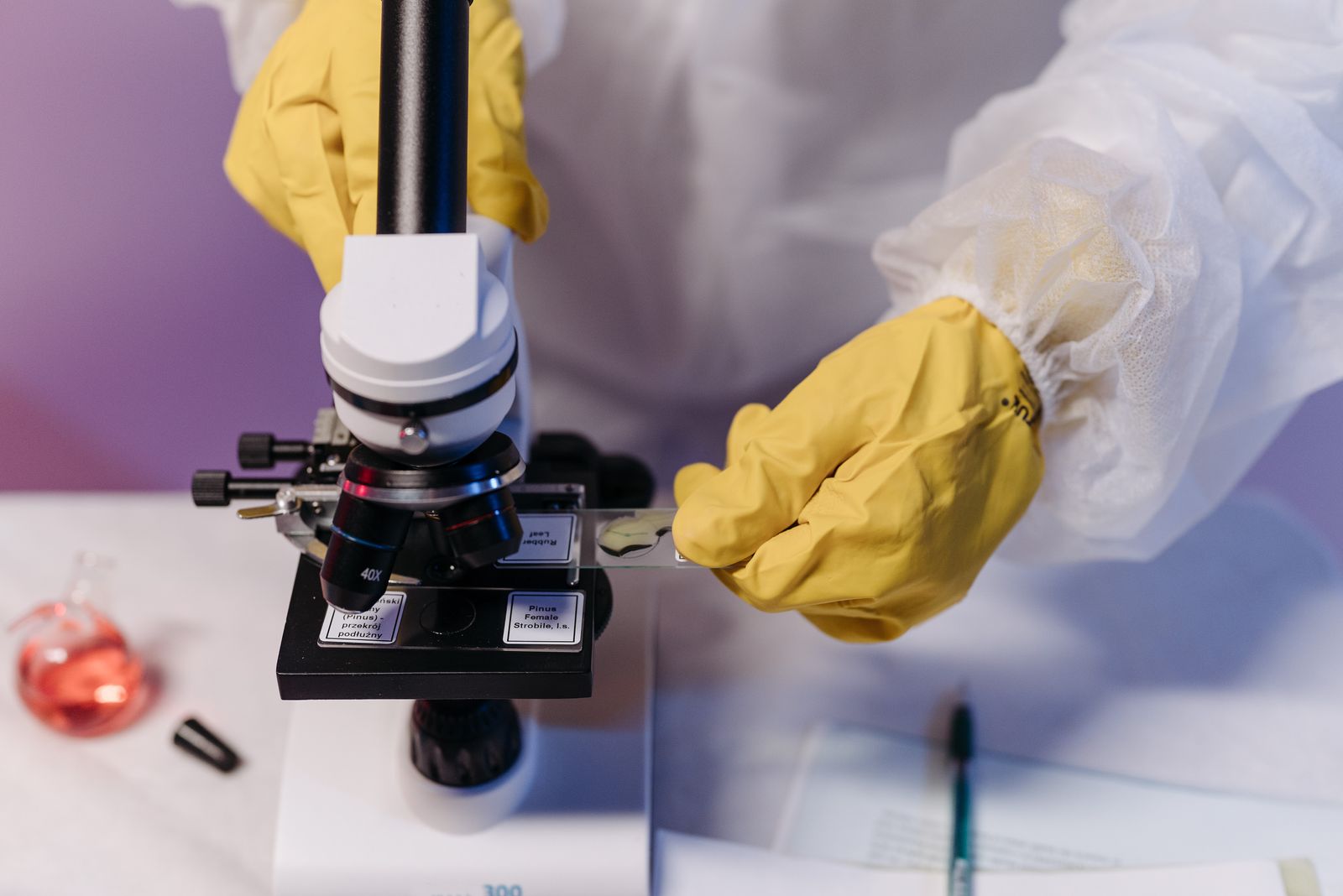
How your cells read a recipe: the ribosome, step by step
Every protein in your body was built by a machine smaller than a virus, reading a strip of genetic code three letters at a time. Here is how it works.
Lab log
Pick a field, any field
Explainers, start to finish
Every explainer is written from the question up, checked by a researcher in the field and labelled with its reading level, so you know what you are getting into.
-
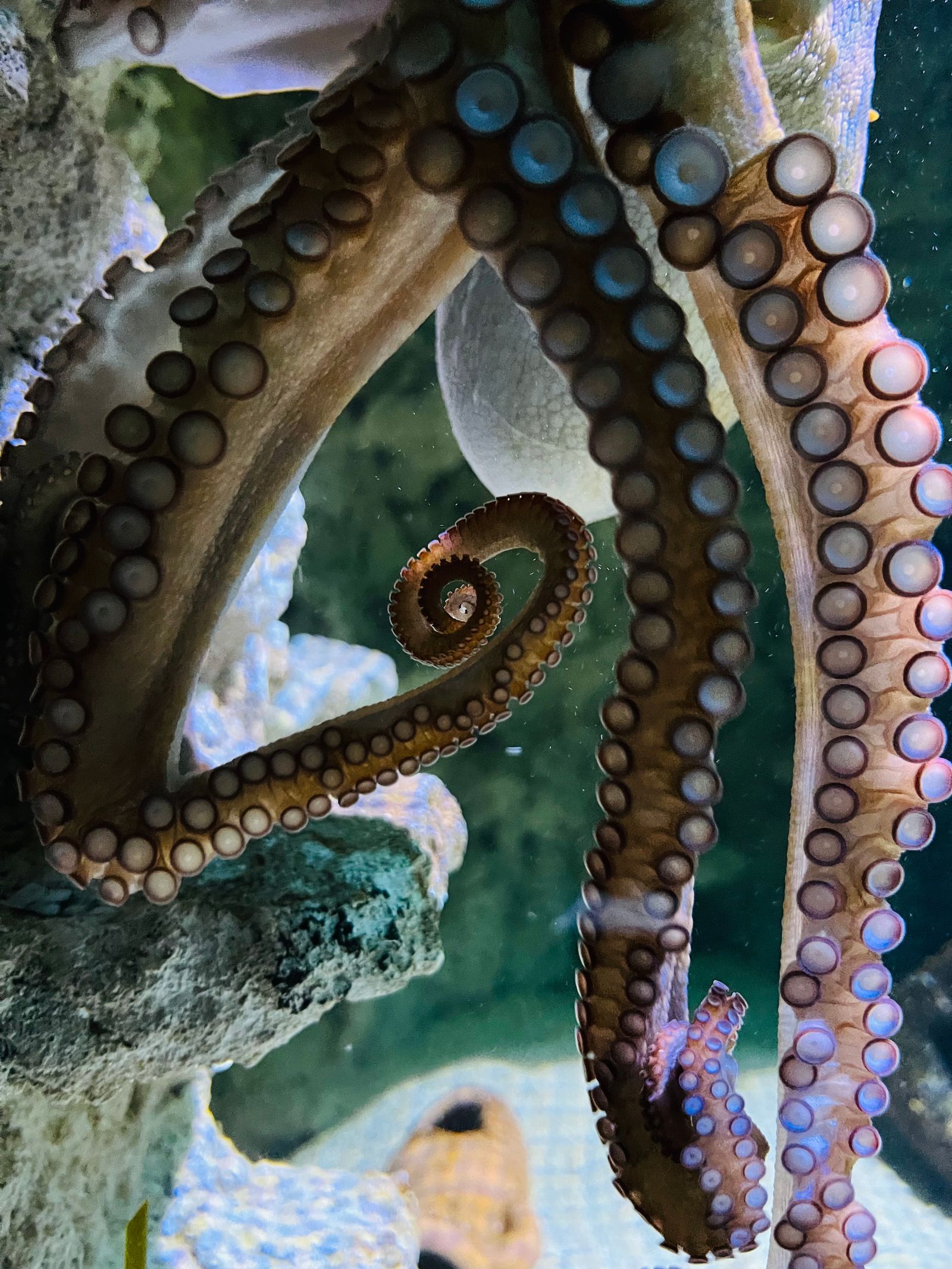
Why octopuses taste with their arms
Most of an octopus’s neurons are not in its head. Its suckers can taste what they…
-

Why sleep debt feels so heavy
A chemical builds up in your brain every hour you are awake. Your body clock pushes…
-
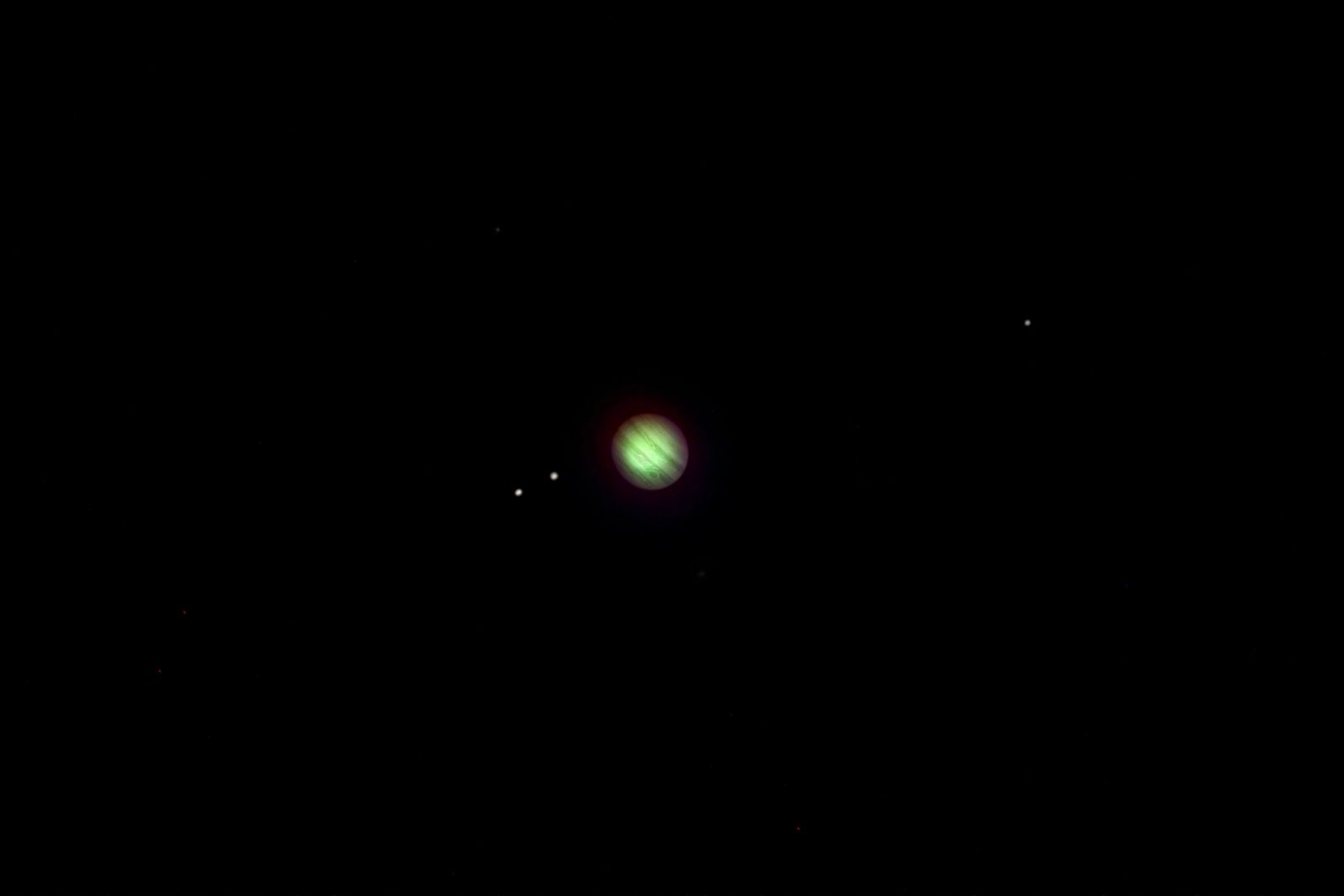
How do we weigh a planet we’ve never visited?
Nobody has put Jupiter on a scale. Astronomers weigh it by timing its moons. The same…
-

Why cities are hotter than the countryside
A study in the fictional river city of Port Alder found summer nights up to 6°C…
The big question
If the universe is full of stars, why is the night sky dark?
Astronomers argued about it for three centuries. The answer turned out to be a clue about the age of everything.
- Clue 1. Light travels at a finite speed, so we only see as far as light has had time to come.
- Clue 2. Stars do not shine for ever; most of space between them is truly empty.
- Clue 3. The oldest light has been stretched by expansion until it glows in microwaves, not visible colours.
Read the full answer
Biology: life, up close
Term of the week
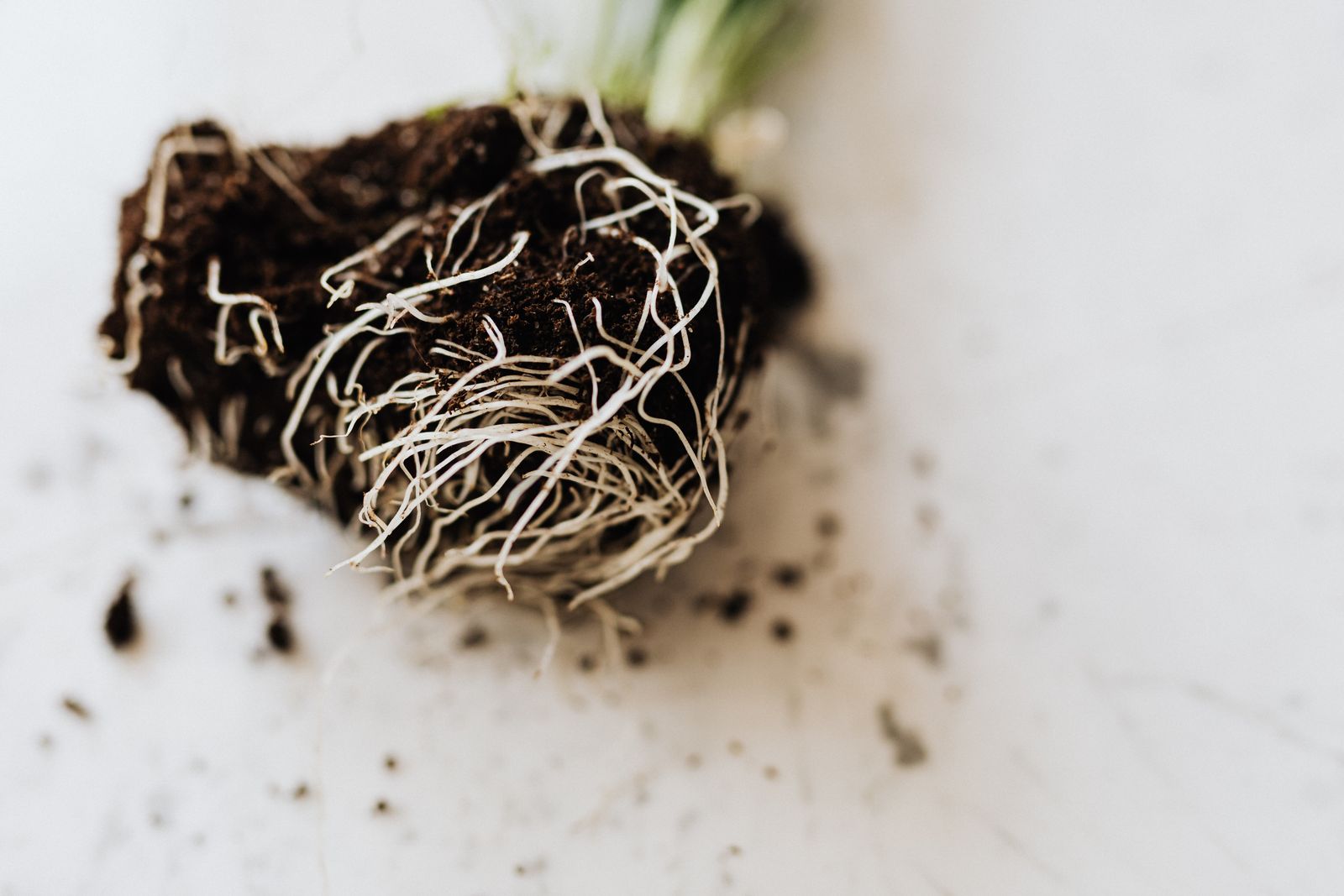
Control group
noun · kon-TROHL groop
The people, mice or petri dishes in an experiment that get everything except the thing being tested. Comparing them with the treated group shows what the treatment did, and what would have happened anyway.
In a sentence: “The seedlings grew taller under the new lamp, but so did the control group, so the lamp was not the reason.”
Earlier terms
- Half-life
- Peer review
- Sample size
- Placebo
- Error bar
Most read this month
Researcher Q&A: how do you know?
We ask people who do the work how they find things out: the tools, the dead ends and the checks before anyone believes a result.
-
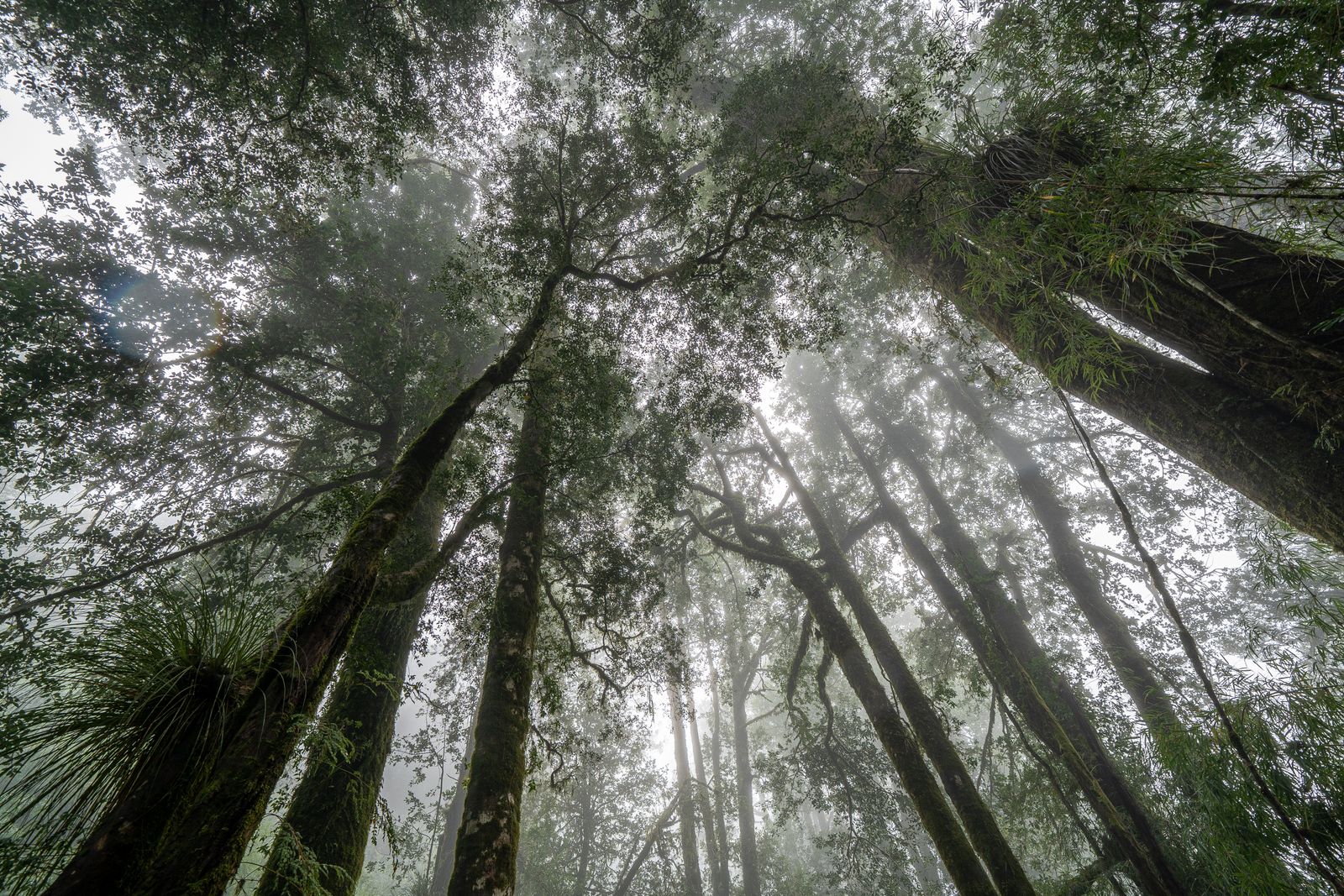
Q&A: a field ecologist on counting animals you can’t see
Ines Halvorsen counts shy mammals in dense forest. She explains camera traps, DNA in river water and why every count…
-

Q&A: a statistician on what a p-value can and can’t tell you
Ruth Adeyemi explains the most misunderstood number in science, and the three questions she asks before believing a result.
-
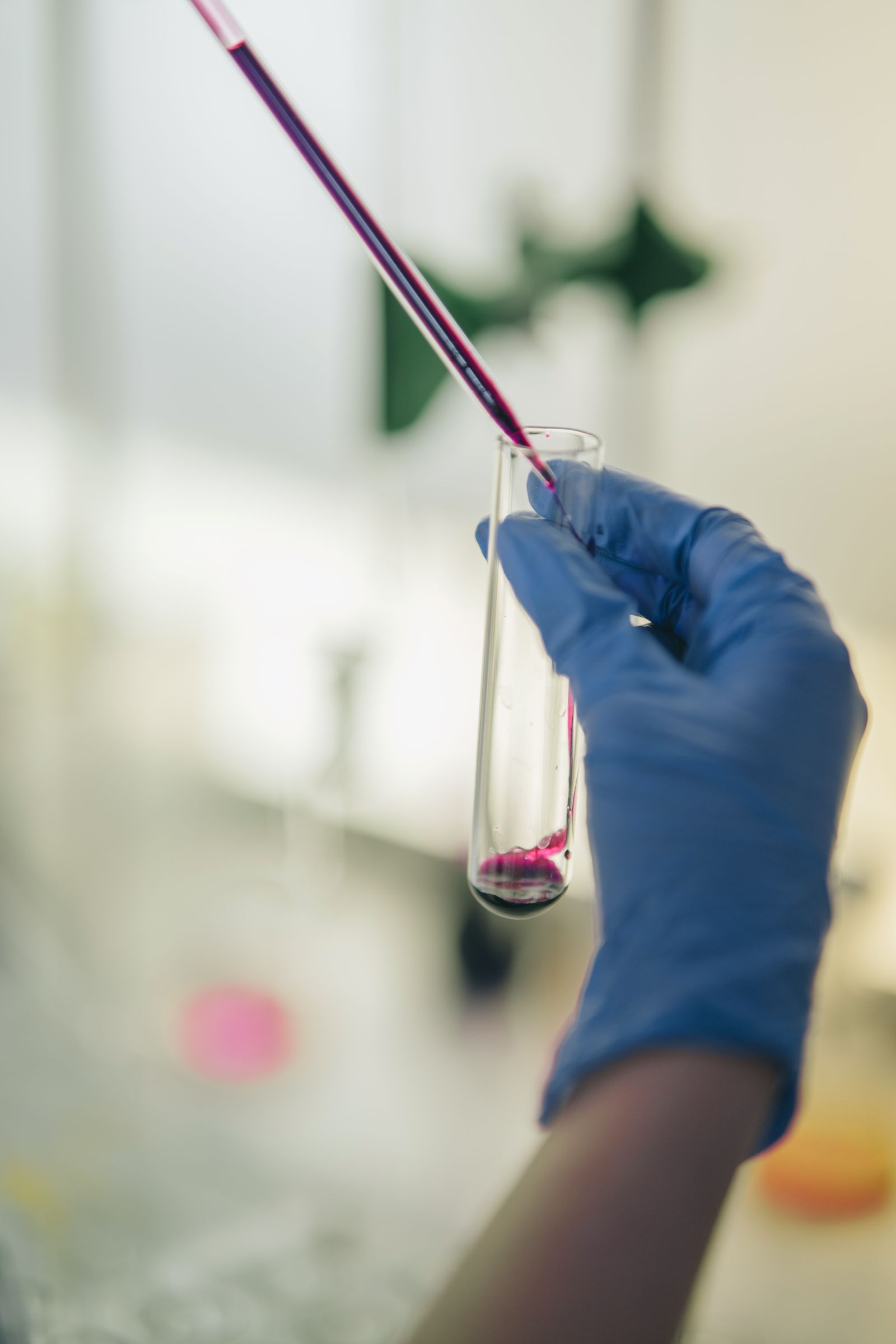
Q&A: a research technician on why experiments fail, and why that helps
Marcus Obi keeps a cell biology lab running. He talks about contamination, controls, the lab notebook and the results nobody…
Climate: air, ice and water
-

Ice cores: reading 800,000 years of air
Tiny bubbles in Antarctic ice hold samples of ancient air. Here is how scientists drill, date and read…
-
Why cities are hotter than the countryside
A study in the fictional river city of Port Alder found summer nights up to 6°C warmer downtown…
-

Why the sea is rising in two different ways
Warmer water takes up more room, and melting land ice adds more water. Floating sea ice, surprisingly, barely…
Space: further out
-
How do we weigh a planet we’ve never visited?
Nobody has put Jupiter on a scale. Astronomers weigh it by timing its moons.…
-

How spacecraft borrow speed from planets
A gravity assist lets a probe steal a little of a planet’s motion. It…
Health, explained
Our health stories explain how the body works. They are general information, not medical advice.
Tech notes

Our standards
Every story names its source type and the researcher who reviewed it. Corrections are dated at the top.
The Thursday letter
One explainer, one researcher and one term worth knowing, every Thursday at 7 a.m. Free, checked and calm about it.
Join 54,000 curious readers. One click to leave.